Tag Archives: global warming

Mongabay: COP26 Glasgow Declaration: Salvation or threat to Earth’s forests?

Deforestation in West Kalimantan, Borneo, Indonesia on land likely to be converted to oil palm plantation. Image by Rhett A. Butler / Mongabay.

I wrote my second story for COP26, the United Nations climate summit in Glasgow, Scotland, while I was still in North Carolina. The first two days of the summit were attended by heads of state from around the world, eager to show some kind of eagerness toward climate action. The result here was the Glasgow Declaration on Forests and Land Use, signed by the U.S as well as more than 100 other countries. The goal — eliminating deforestation by 2030.

This declaration dovetailed well with my first story, which highlighted the importance of nature-based solutions in fighting climate change, and how deforestation was undermining nature’s ability to sequester carbon and provide the ecosystems services it has always provided to slow the rate of warming.

Backed by $19 billion in funding to assist in reducing deforestation and promoting Indigenous land tenure, it even sounds pretty good. As I wrote: The Glasgow signees, the declaration says, “emphasize the critical and interdependent roles of forests of all types, biodiversity and sustainable land use in enabling the world to meet its sustainable development goals; to help achieve a balance between anthropogenic greenhouse gas emissions and removal by sinks; to adapt to climate change; and to maintain other ecosystem services.”

But it’s what’s not in the declaration that not only weakens it, but according to a variety of my sources, implicitly encourages logging forests for timber and pellets so long as they are replaced with what is usually monoculture tree plantations that lack biodiversity, sequester little carbon and are harvested on a regular cycle. My story looks at both the positive and suspect aspects of a declaration whose primary goal is truly needed.
Mongabay: Forest biomass-burning supply chain from US to Europe is producing major carbon emissions: Studies

This story came up quickly, was reported in a morning and afternoon, and posted the following morning — thanks to my tireless editor Glenn Scherer. Initially, I was given a heads up that one study would be released late Wednesday night (Oct. 13, 2021) and Glenn gave me the greenlight to pursue it. When I contacted a source at the National Resources Defense Council (NRDC), Sasha Stashwick, about connecting me with a British House of Lords member with a strong position on biomass burning in the United Kingdom, she let me know that NRDC had also released a biomass-related study with similar research metrics. I combined the two studies into one story.

Another source overseas, Almuth Earnsting with Biofuelwatch, brought to my attention the quick pushback from the wood pellet industry as posted by Biomass Magazine. I made sure we got its criticisms of one of the studies in the story.

The stakes for accuracy in carbon emissions accounting continue to rise higher and higher, especially as the 26th United Nations climate summit looms in in Glasgow, Scotland, in early November. NGOs are fairly apoplectic that the issue of burning biomass and the tons of uncounted carbon emissions at the smokestack at former coal-fired plants in the UK and across the European Union, is not an official agenda item as nations finalize the Paris rulebook for implementing fully the 2015 Paris Agreement.

Several NGOs who applied for side events in Glasgow to press their points about biomass were denied permission. They are incensed and believe the host nation — the largest consumer of wood pellets in the world — is eager to downplay the science of biomass carbon accounting and its impact on mature forests in the US, Canada and eastern Europe.

Here’s an excerpt from my story:

With the two-week United Nations COP26 summit starting in Glasgow, Scotland, on Oct. 31, both studies call into question the validity of the 2030 carbon reduction pledges made by three of the world’s largest carbon polluters — the U.S. (with a 50% reduction pledge), U.K. (58%) and E.U. (55%). While these Paris Agreement signatories may meet those goals on paper, nature will know that no such atmospheric emissions cuts have been achieved as wood pellets are burned.

The citizen-supported journalism site WhoWhatWhy republished my story here.

Caption for the graphic above: The existing and proposed wood pellet plants in the US Southeast (yellow and red circles) and the harvest areas of each plant (larger beige circles). Source: Southern Environmental Law Center.

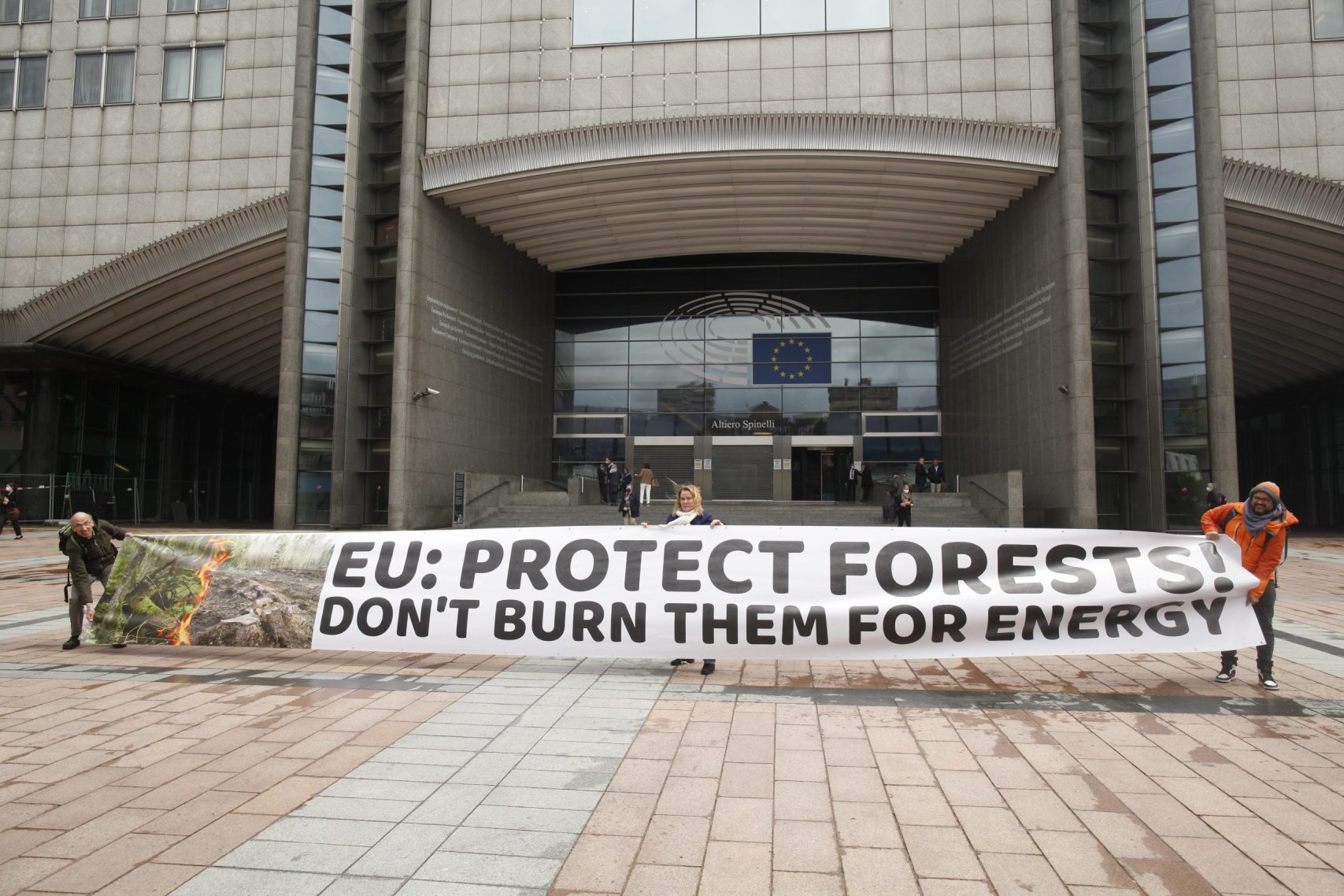
Anti-biomass protesters outside the EU headquarters in Brussels in summer 2021 when delegates were debating possible changes to the Renewable Energy Directive. Few substantive changes were made regarding biomass burning, carbon accounting or subsidies.

Mongabay: Illegal clearing for agriculture is driving tropical deforestation: Report

An expanding oil palm plantation abuts rainforest in Sabah, Malaysia. Image by Rhett Butler/Mongabay.

Forest Trends is an NGO I’ve been familiar with for a number of years, primarily through a deputy director, Gena Gammie, who lives in Lima and heads up water conservation initiatives there. I’ve interviewed Michael Jenkins, the founder and CEO, several times and have always found him knowledgeable and candid — no nonsense, like Phil Duffy at Woodwell Climate Research Center. So when Forest Trends released a major new report on illegal deforestation connected to agriculture commodities, I knew we had a for a solid story for Mongabay. The story linked here. Also, Mongabay produced a short, subtitled video of my story for social media, linked here.

An excerpt: “In its report, Illicit Harvest, Complicit Goods, NGO Forest Trends found that at least 69% of tropical forests cleared for agricultural activities such as ranching and farmland between 2013 and 2019 was done in violation of national laws and regulations. The actual amount of illegally deforested land is immense during that period – 31.7 million hectares, or an area roughly the size of Norway.

“The report reveals the climate impact of this illegal agro-conversion is equally significant, making up 42% of greenhouse gas emissions of all tropical deforestation. The related emissions total of 2.7 gigatons of CO2 annually during the seven-year period is more than India’s fossil fuel emissions in 2018. The study notes that if tropical deforestation emissions tied to commercial agriculture were a country, it would rank third behind China and the U.S.”

The problem only gets worse year by year — even as climate and national leaders stress that there were few things more important in curbing global warming and protecting biodiversity than dramatically reducing deforestation — especially in places where it’s already illegal. The issue will need to be a high priority at the United Nations climate summit, COP26, in Glasgow, Scotland, in November 2021.

Special thanks to Mongabay’s Morgan Erickson-Davis for her careful edit.

A fire burns in Sumatra, Indonesia. These fires are generally started by slash-and-burn clearing to turn forests into crop fields. Image by Rhett Butler/Mongabay.
A fire burns in Sumatra, Indonesia. Fires here are often started by slash-and-burn clearing to turn forests into farmland. Image by Rhett Butler/Mongabay.

Mongabay: 500+ experts call on world’s nations to not burn forests to make energy

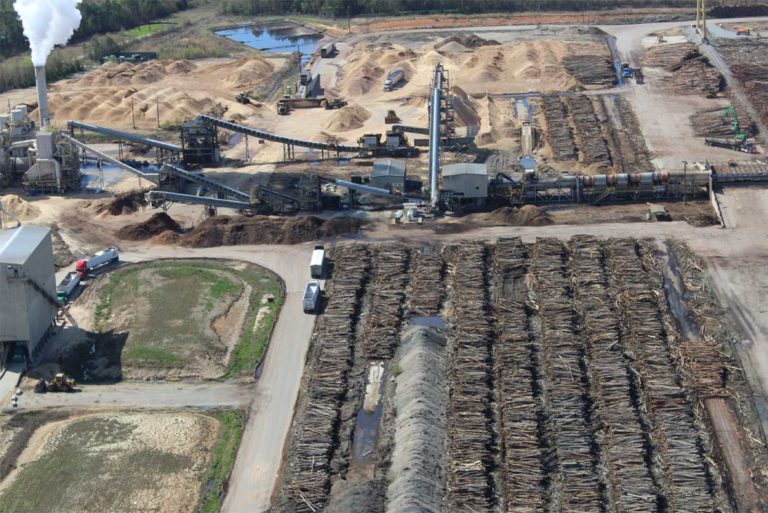
A forest biomass plant in the U.S. Southeast. The industry insists it does not use healthy, whole trees for wood pellet production, using instead crooked, diseased trees or lumber waste, tree tops and woody residue. This photo tells a far different story. Image courtesy of the Dogwood Alliance.

A new administration in the White House, one committed to climate mitigation policies across the federal bureaucracy in ways never seen before, has encouraged international environmentalists to press for changes to policies that they see as detrimental to nature, ecosystems and climate solutions in the midst of a worsening climate crisis.

In this story, I report on a letter sent directly to President Joe Biden as well as leaders of the EU and Japan to rethink policies that encourage deforestation in the US Southeast, western Canada and Eastern Europe in order to produce wood pellets to be burned for energy and heat instead of coal. These wood pellets are burned primarily in the European Union and United Kingdom. Japan and South Korea are also moving to this energy source.

As I’ve been reporting for years on this issue, biomass — including wood — is defined as a carbon neutral energy source on par with zero carbon wind and solar under the Kyoto Protocol of 1997. This definition has been included in the EU’s Renewable Energy Directive. In both, the smokestack emissions from biomass are not reported in a country’s emissions accounting under the Paris Agreement.

In other words, these countries are still polluting, but on paper, it appears that their emissions are coming down, depending on how much biomass is part of the their overall energy mix. In the EU and UK, it’s around 10-15 percent. As the scientists who signed the February 11 letter stressed, and as my sources confirmed, these policies are not climate solutions. They are actually making the problem worse by both adding to deforestation and not reporting the actual pollution they are putting into the air.

KCRW Los Angeles: Microsoft wants to go carbon negative. What does that mean?

Building 92 at Microsoft Corporation headquarters in Redmond, Washington, 2016.
Building 92 at Microsoft Corporation headquarters in Redmond, Washington, 2016.Credit: Coolcaesar (CC BY-SA 4.0).

I am fortunate to have a good friend working as a producer in Los Angeles on the popular noon public radio program called Press Play with Madeleine Brand on KCRW. I had worked with this talented producer previously when covering the last two UN climate summits in Poland and Spain. Recently, my friend accepted first pitch based on my story for Mongabay about Pachama, the Silicon Valley startup that will monitor the carbon offsets Microsoft to preserve forests in forests in North and South America.

The eight-minute interview is linked here. Press Play reaches much of Southern California. I hope it’s not my last time on the program.

Mongabay: ‘Guardians of the forest:’ Indigenous peoples come together to assert role in climate stability

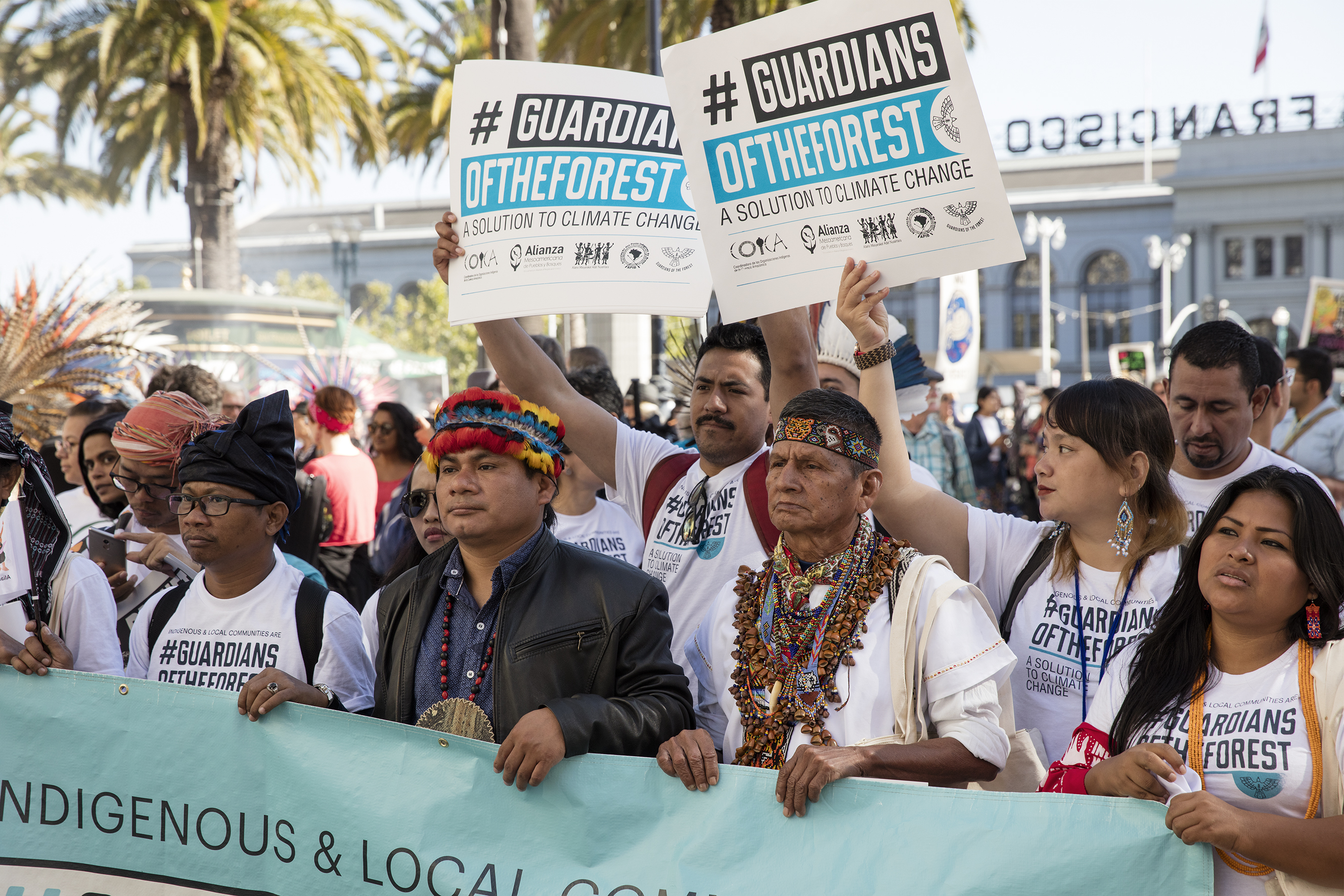
Guardians of the Forest at Global Climate Action Summit in San Francisco, September 2018. Photo by Joel Redman, courtesy of If Not Us Then Who. 

Several weeks before I flew to San Francisco ahead of Hurricane Florence to cover the Global Climate Action Summit hosted by Gov. Jerry Brown (September 12-14, 2018), I had a conference call with Mongabay special projects editor Willie Shubert and videographer/activist Paul Redman of the nonprofit group If Not Us Then Who. His group seeks to raise the visibility of indigenous peoples and their role in forest protection.

Willie had an idea for the story  — ultimately, this story — and Paul had details about how I could get at it. His group was hosting a side event to the summit in which tribal leaders from around the world would meet for presentations, panel discussions and documentaries. What’s the story? I asked. They both offered ideas and themes, both general and specific. But I realized that this was one I just had to trust, trust that if I spent enough time at the side event, and spoke to enough people — along with the reading and research I would do in advance — that the story would come to me.

I spent several hours both September 13-14 at Covo, the co-working space where the side event was being held about a half mile from the Moscone Center and the main summit. Paul was there Thursday; he was tremendously helpful, lining up a trio of exceptional sources for me to interview one-on-one while I took notes during panel discussions and took in the scene. On Friday I interviewed NGOs with the Nature Conservation Society and World Wildlife Fund for greater context. And little by little, I got the sense that I had witnessed something special, something important, and that I had the pieces I needed to tell the story.

This one quote by a remarkable tribal leader from Panama crystallized the theme of my story and led me to the equation around which I built my story: indigenous peoples + land title and tenue = climate mitigation:

“There is one basic principle,” Candido Mezua told Mongabay through a translator. “We cannot see the forest or nature as a tool for getting richer. That is something the indigenous people cannot do… We are contributing to climate stability, something we have been doing for centuries without being compensated one penny.”

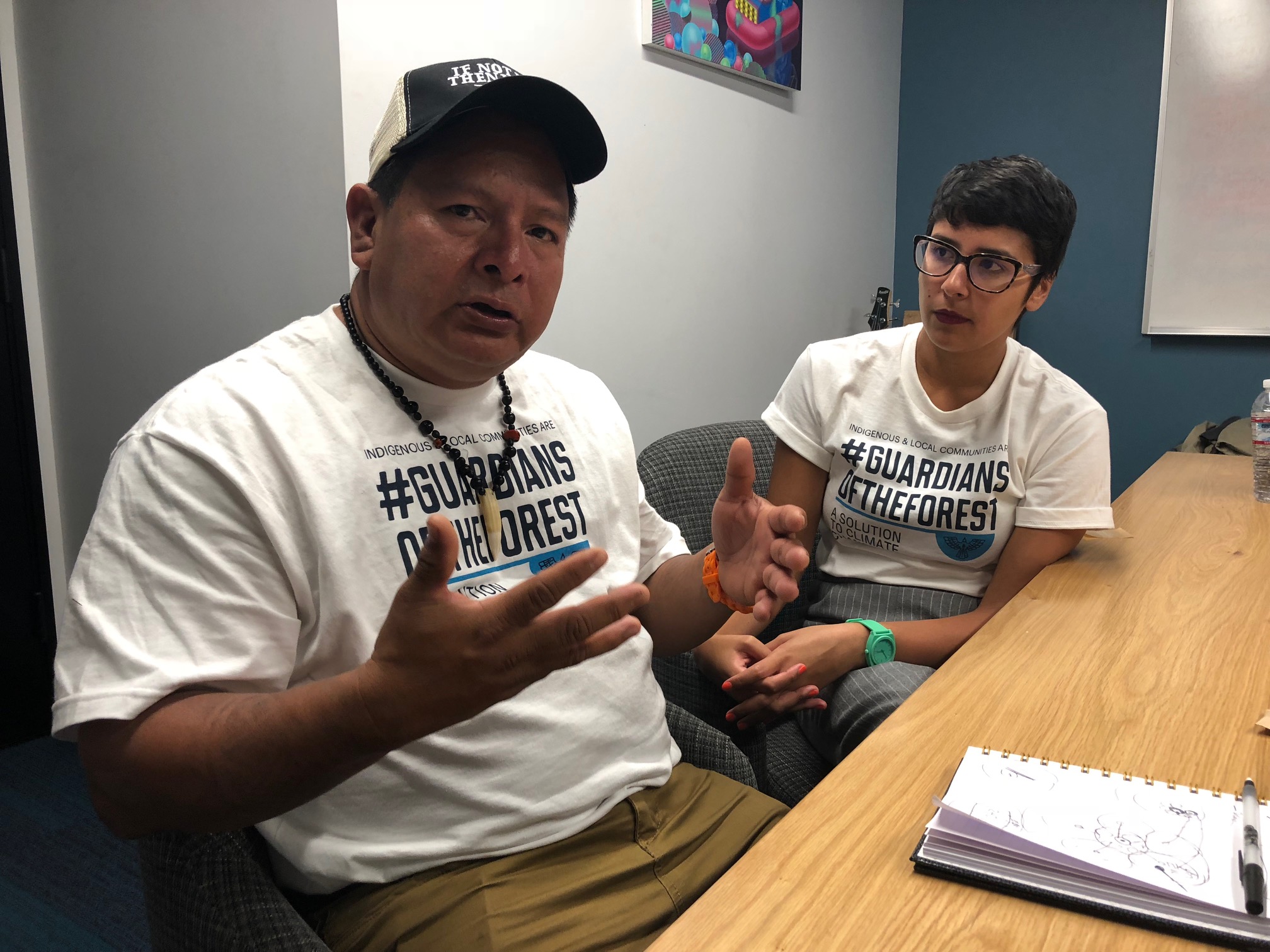
Candido Mezua of Panama talking with me through translator Ana Isabel Alvardo of Costa Rica. My photo.


Mongabay: A reflection on COP23: Incremental progress but no industrialized country’s top priority (commentary)

Fiji, the first truly vulnerable nation to host a COP, had hoped the motto of COP23 would be true. What it and other similar nations got was: wait til next year. Again. Photo by Justin Catanoso

Fiji, the first truly vulnerable nation to host a COP, had hoped the motto of COP23 would be true. What it and other similar nations got was: wait til next year. Again. Photo by Justin Catanoso

My first commentary for Mongabay, written with the encouragement of reporter/editor Mike Gaworecki. I greatly appreciated the opportunity. An excerpt:

How many hurricanes the ferocity of Harvey, Irma, and Maria must be experienced in the US alone to stoke a greater sense of urgency? How many climate refugees need to be pushed from sub-Saharan Africa and Syria because of unrelenting drought? How much more Arctic ice needs to melt? How much sea-level rise can be tolerated in low-lying island nations — and Miami Beach, for goodness sake — before COP participants stop delaying greater ambitions prior to 2020, when a stronger Paris Agreement is to take effect?

Mongabay: @COP23 — Alliance pledges an end to coal; other key summit goals unmet

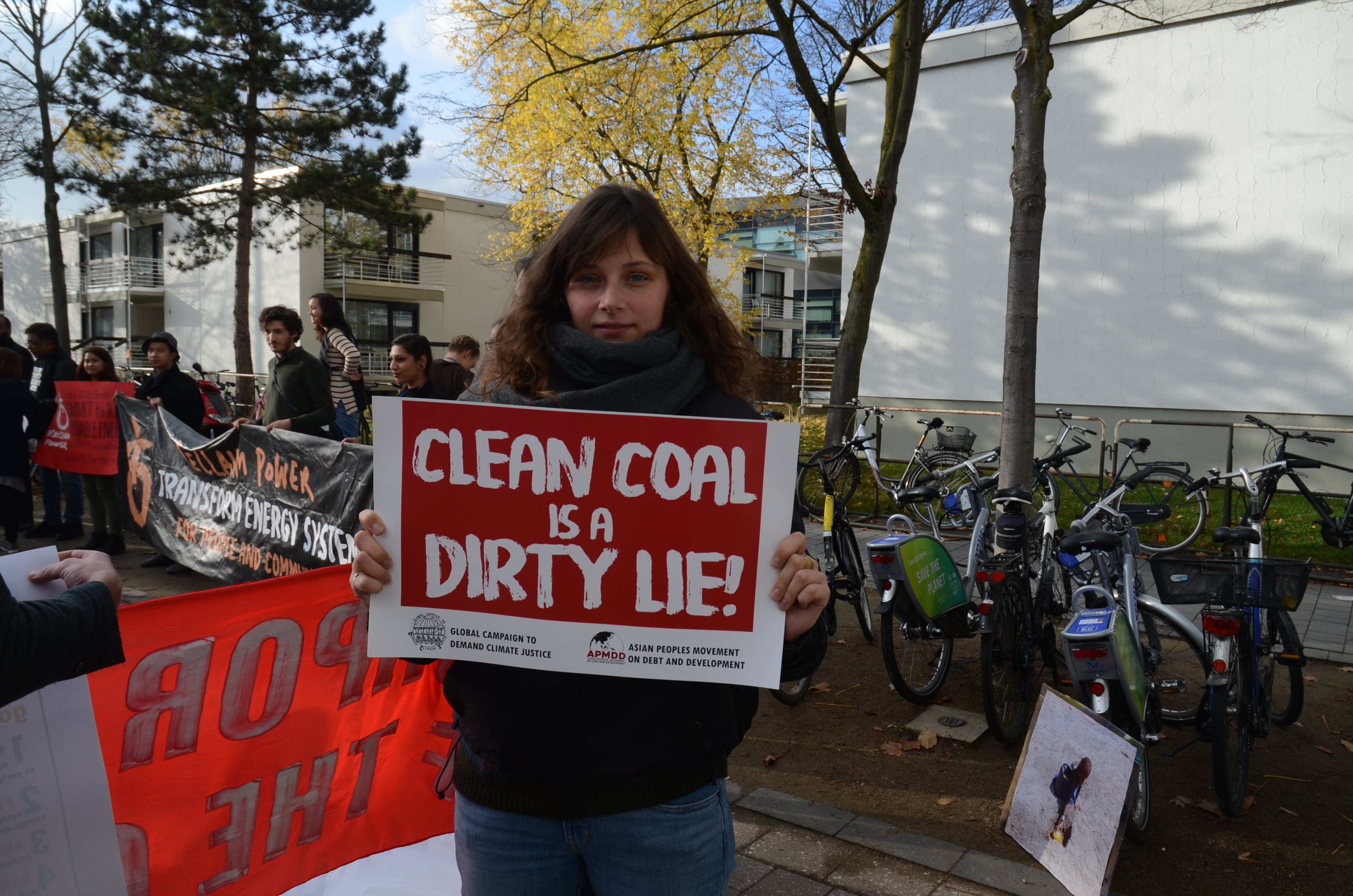
A protester outside the the entrance to COP23 in Bonn, Germany, holding up a simple, irrefutable truth. Photo by Justin Catanoso

A protester outside the the entrance to COP23 in Bonn, Germany, holding up a simple, irrefutable truth. Photo by Justin Catanoso

Late Thursday morning, November 16, 2017, at a packed announcement in the European Union meeting room at COP23, environmental ministers from Canada and the UK offered perhaps the most promising news to come out of the 23rd UN climate summit. They announced a coalition of 19 countries and two US states pledging to phase out all coal burning by 2030. My editor Glenn Scherer agreed that it was a good idea to close out my coverage from COP23 with a more upbeat story. That’s what this is (link here). The story closes with a wrap-up of the work left undone.

Environmental ministers Claire Perry from the UK (left) and Catherine McKenna from Canada, discussing the Coalition to Power Past Coal. Photo by Justin Catanoso

Environmental ministers Claire Perry from the UK (left) and Catherine McKenna from Canada, discussing the Coalition to Power Past Coal. Photo by Justin Catanoso

Mongabay: @COP23 — Leaders vie for protection of ‘incredibly important’ African peatland

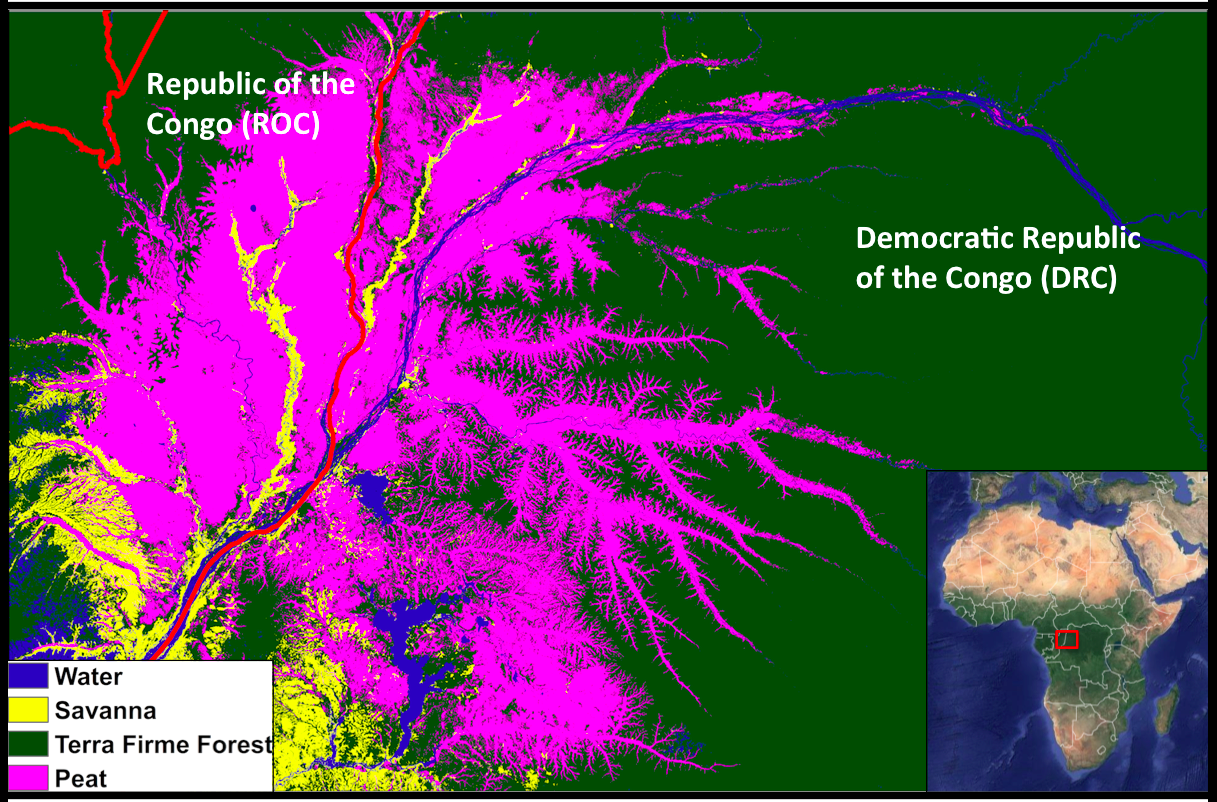
One of the largest peat formations in the world has been confirmed on the border of the Democratic Republic of Congo and the Republic of Congo. It's the size of New York State and is perhaps the world's largest carbon sink. Map by Mongabay.

One of the largest peat formations in the world has been confirmed on the border of the Democratic Republic of the Congo and the Republic of the Congo. It’s the size of New York State and is perhaps the world’s largest carbon sink. Map by Mongabay.

Mongabay has been covering the story of his enormous new finding of peatland in central Africa all year. Editor Morgan Erickson-Davis, who has been coordinating coverage, asked if I could get a follow-up story from COP23. With assistance from Dave McGlinchey, the communications director at Woods Hole Research Center, and Melanie Gade, a communications specialist with World Wildlife Fund, they both pointed me to the exact sources I needed. Morgan added in some insightful context.  

WUNC/The State of Things — At UN Climate Summit, The US Takes A Different Position

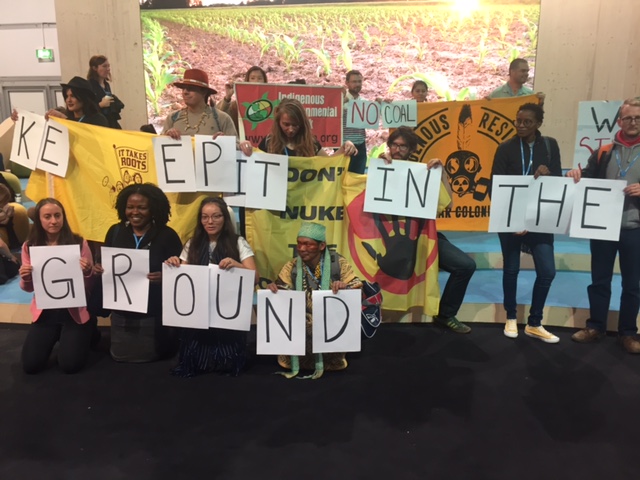
Protesters gather before the Trump panel discussion on fossil fuels at COP23 in Bonn, Germany. Photo by Justin Catanoso

Protesters gather before the Trump panel discussion on fossil fuels at COP23 in Bonn, Germany. Photo by Justin Catanoso

Here’s the link to my live interview from Bonn and the venue of COP23 with host Frank Stasio of WUNC’s The State of Things, broadcast from Durham, North Carolina. This is the third time the program has had me on regarding my coverage of these UN climate summits — live from Paris in 2015, just before leaving for Marrakesh in 2016 and live from Bonn in 2017.

The tech folks in the media center found the only land line in the entire area, pulled it out of a broadcast studio and set it up on an empty room between two busy newsrooms. At 6:05 pm German time (12:05 pm back in North Carolina), Frank welcomed me to the program. We talked for just under 12 minutes. From what others tell me, it turned out pretty well. Special shout out to my friend Jill Drzewiecki, who listened to the live feed on her phone while commuting home after work in Rome, Italy.