Mongabay: Timber harvests to meet global wood demand will bring soaring emissions: Study

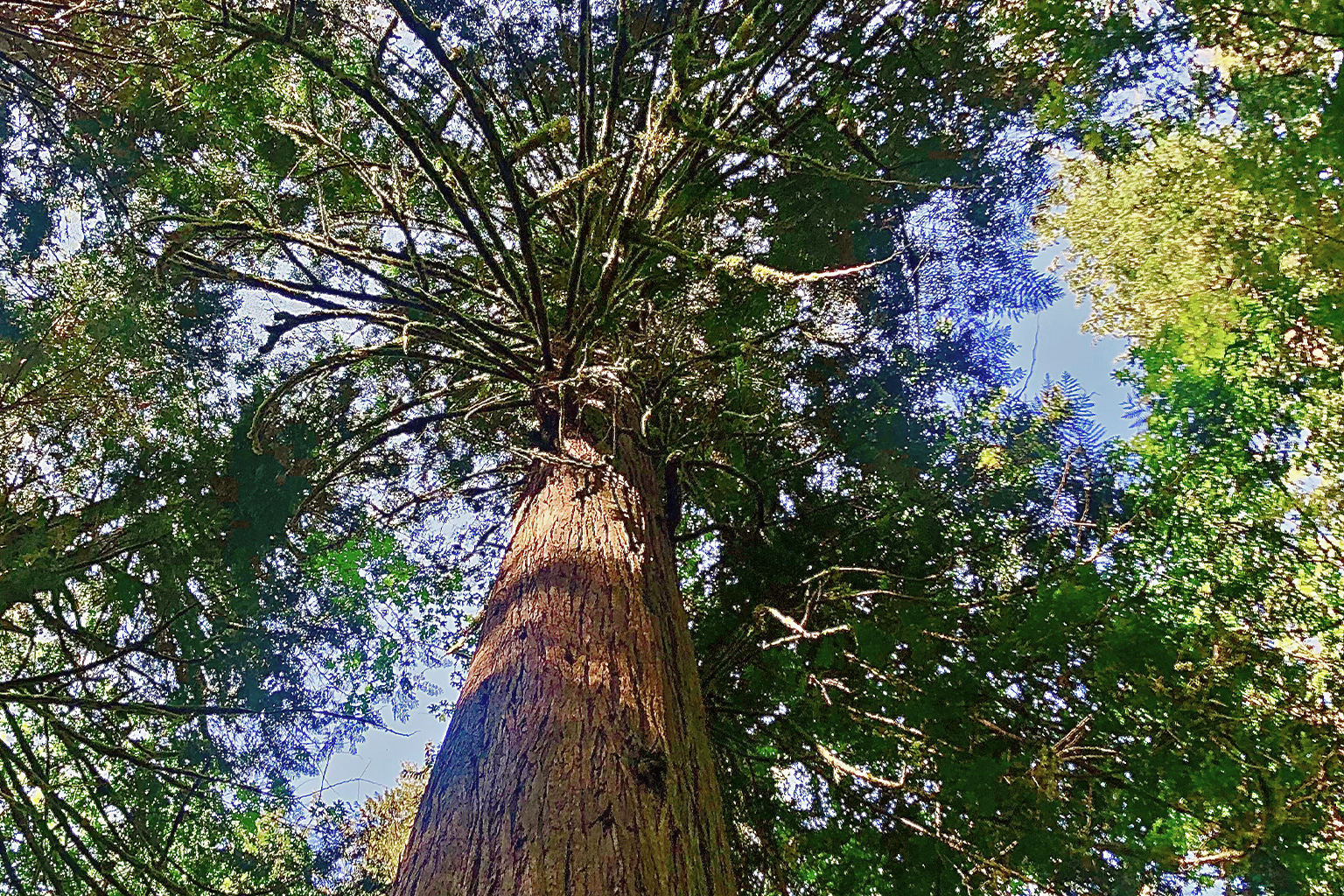
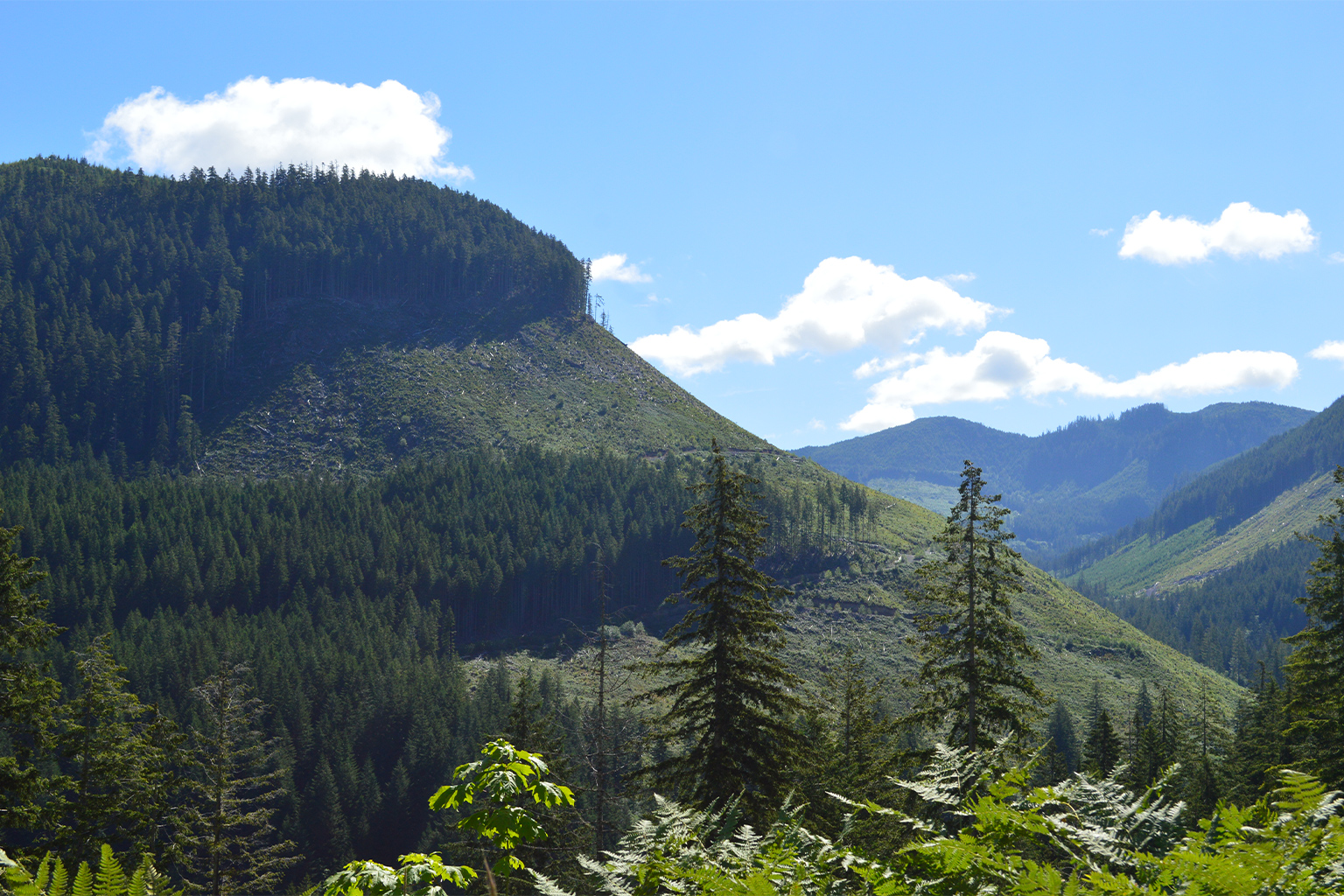
Extensive logging of remote mountains on Vancouver Island in British Columbia, Canada, feeds the timber industry. Many of the trees taken here are old growth, more than 200 years in age. Timber companies typically replace the natural forest with monoculture tree farms that lack biodiversity and sequester far less carbon than the original natural forests. Image by Justin Catanoso.

ECOLOGISTS and climate activists spend a lot of time, justifiably, decrying the always-growing rate of international deforestation. What they rarely look at, evaluate or consider, is the impact of global logging for the timber and biofuel industries. This story describes a major study published in July 2023 in the prestigious journal Nature about the impact that logging has on contributing far more to global carbon emissions than ever imagined.

The study, by a several researchers backed by World Resources Institutes presents staggering figures involving current and future demand for wood products and the impact is/will have on global tree cover, and thus, carbon sequestration from intact forests. It is, like too many of my stories, startling and dispiriting, especially when you consider the many “treaties” nations have signed, as recently as COP26 in Glasgow, to halt deforestation. Of course, those treaties always involve loopholes the logging industry has demanded and received.

The summer of 2023 has brought every single day a reminder of the climate catastrophes people are the world are enduring — massive wildfires in Canada, record temperatures in Mexico and the US Southwest, vicious storms and flooding in the Northeast, deadly heatwaves across southern Europe and India. Every forest felled for short-term profit makes the earth less able to slow the rate of warming, and the rate of calamity. This study in Nature makes clear that policy changes in logging are a near-term requirement, and even points to solutions that are close to plausible while actually preserving most of the forests policymakers have pledged to protect.

Note: this is a major study by top scientists with a leading NGO published in the most prestigious scientific journal. The Times and Post and others have been busy reporting every day on the horrible weather events this summer. None bothered to cover a significant root cause and potential solutions. That’s not how we get out of this climate crisis.
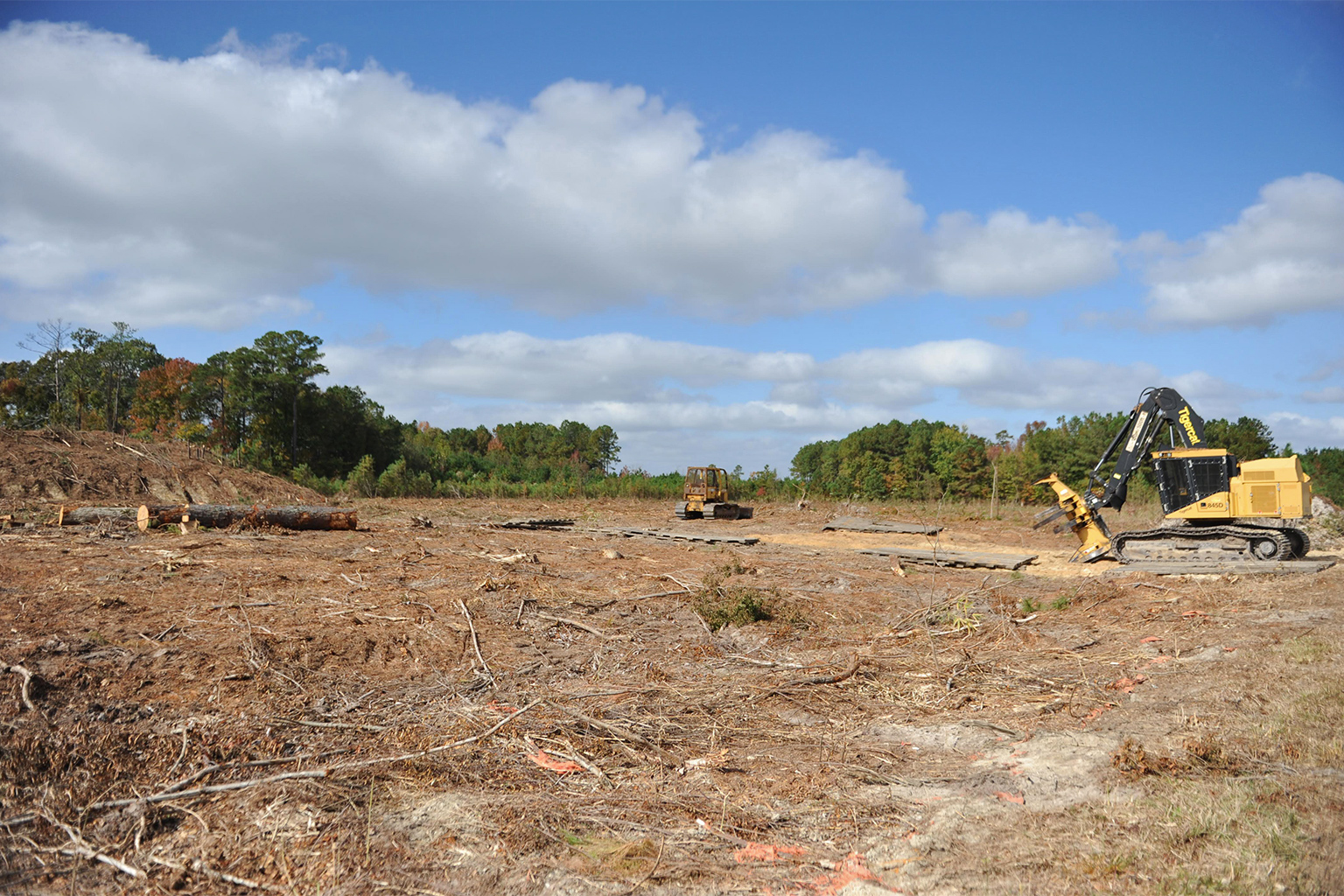
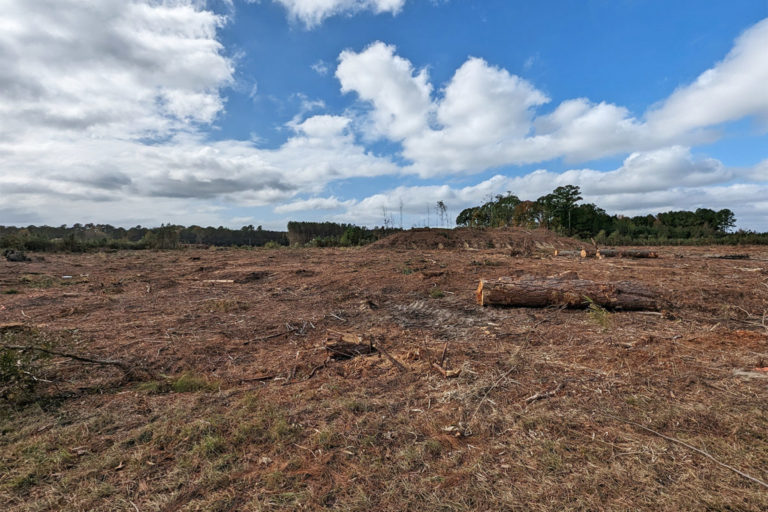
This 52-acre native forest in Edenton, North Carolina, U.S., was clear cut in late 2022 for both timber and for whole trees chipped to make wood pellets for bioenergy. The site was cleared for industrial development. Only trees for landscaping were to be replanted. Clear cuts like this around the world diminish global carbon storage. Image by Justin Catanoso.

Mongabay: Financial downturn at Enviva could mean trouble for biomass energy

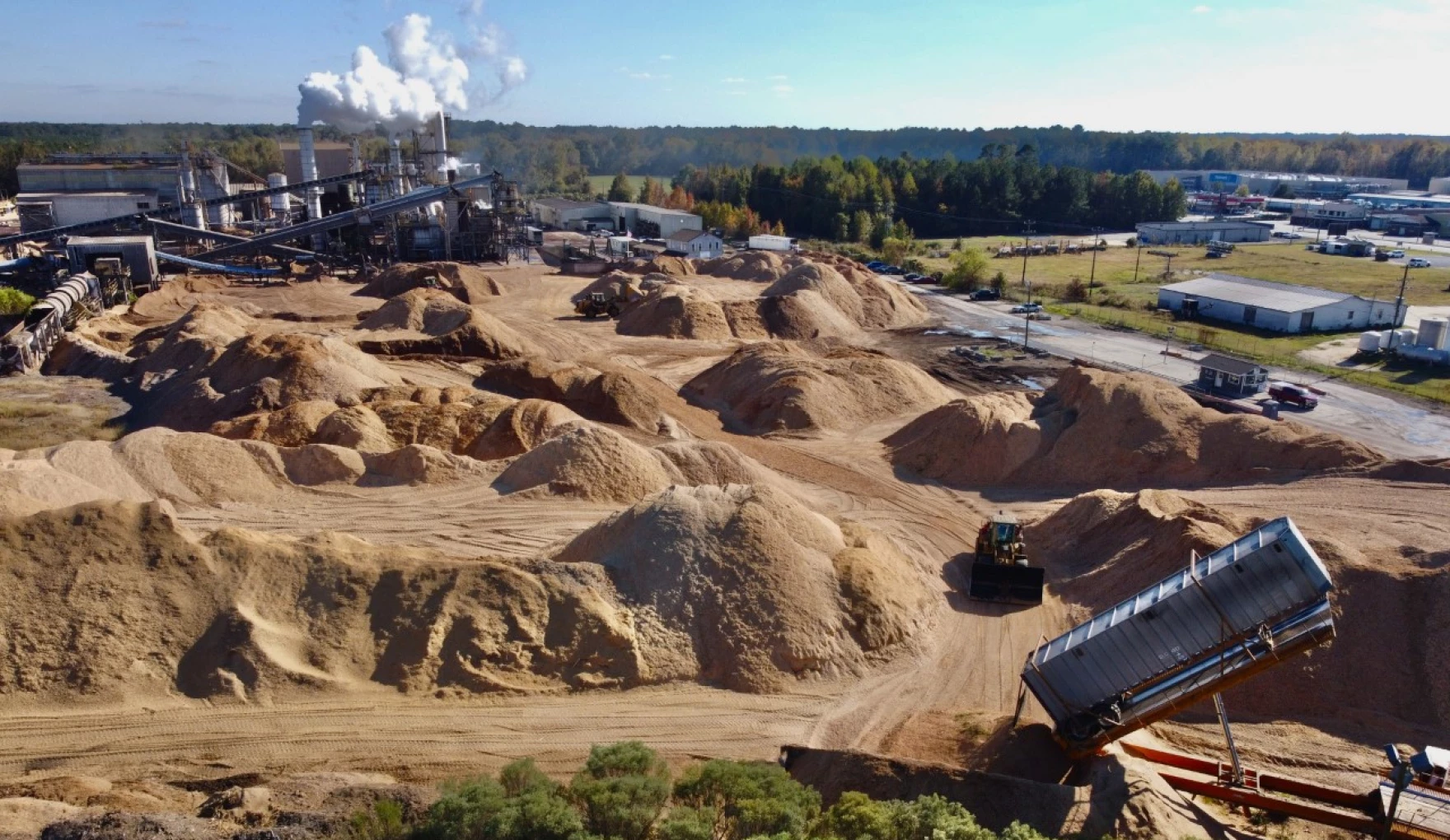
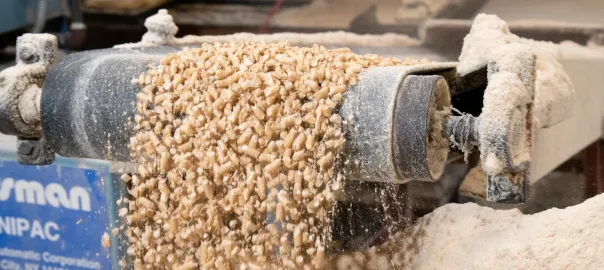
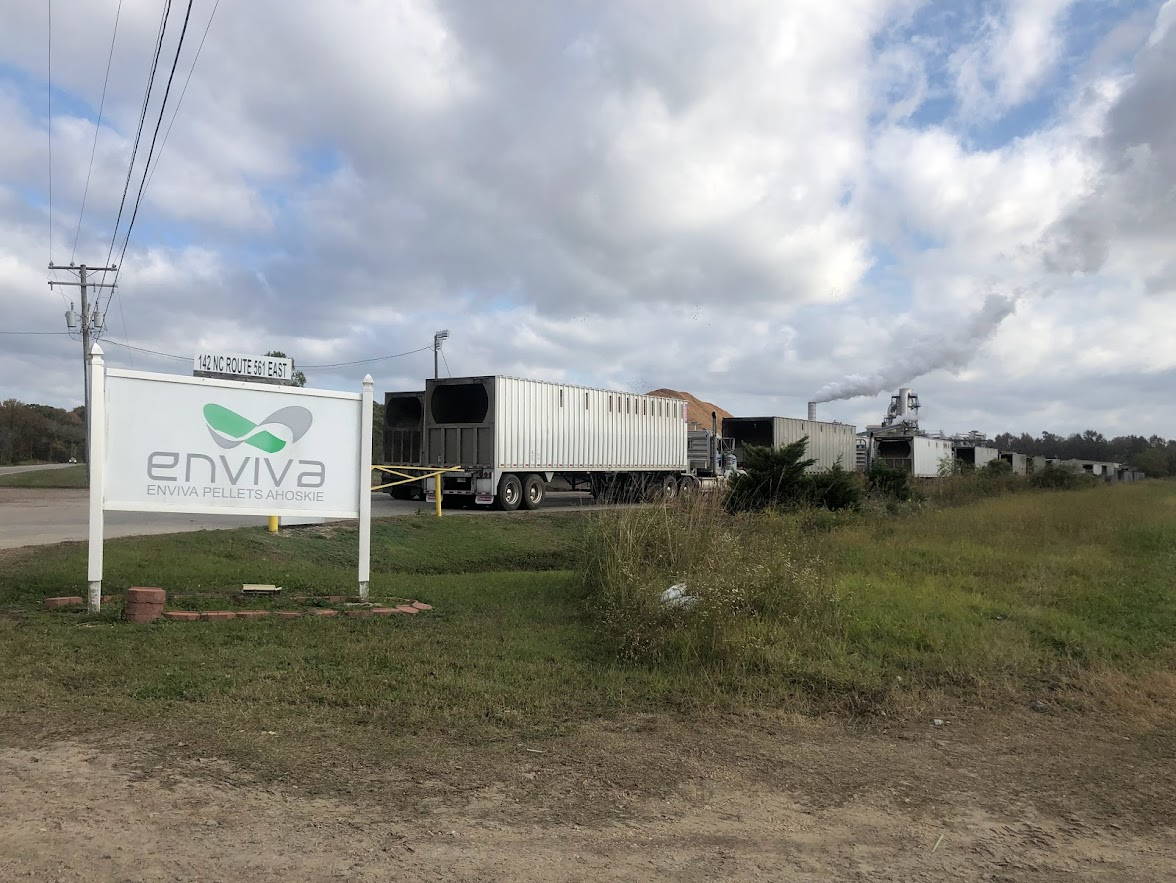
2023 is shaping up to be an all-time worst financially for the world’s largest maker of wood pellets for bioenergy, Enviva. In this photo, taken in December 2022 at Enviva’s smallest plant in Ahoskie, NC., trucks pull into the mill all day long, every day, to unload 40 tons of chipped wood from nearby forests to be pressed into wood pellets for export. Photo by Justin Catanoso

In this story, I write an unusual piece for Mongabay, but historically, a pretty common one for me — an analysis of a company in financial trouble. Mongabay doesn’t do many business stories. But when it is the business of the world’s largest maker of wood pellets for bioenergy serving the United Kingdom, European Union and Japan, this former business editor was eager to do the reporting.

Enviva is not only in financial trouble, with its once high-flying stock price in freefall, it is also facing legal jeopardy. In April, a class-action lawsuit was filed in the company’s home state of Maryland alleging Enviva has harmed its investors by mispresenting its sustainability credentials and long-term business viability. Reporting from my whistleblower story in December 2022 is cited in the lawsuit; the suit notes that Enviva’s stock dropped more than 9% after my Mongabay story posted.

Enviva has predicted that it intends to increase production from its 10+ pellet mills in the US Southeast from 6 million tons annually to 13 million tons by 2027. That growth — which will dramatically add to deforestation in a region prone to climate-related weather impacts where intact forests help cushion the blows — is now in question.

Mongabay: The U.S. has cataloged its forests. Now comes the hard part: Protecting them

I took this photo in an old-growth forest in Olympic National Park, Washington State, in July 2021, while reporting for Mongabay. That’s forest ecologist and source Dominick DellaSala on the trail.

This Mongabay story of mine includes these details.

  • In April 2022, President Biden instructed the U.S. Forest Service and Bureau of Land Management to do a thorough inventory of forested public lands as a part of his climate mitigation strategies to reduce U.S. carbon emissions by 50% by 2030.
  • The new study, released April 20, identifies a total of 112 million acres of mature and old-growth forests on federal lands across all 50 states, an area larger than the state of California.
  • Forest advocates largely heralded the new inventory, so long as it serves as a road map for putting those millions of acres off-limits to logging so the forests and their biodiversity can remain intact to fight climate change.

A 60-day public comment period, starting late April 2023, will determine whether federal rules will actually help fulfill President Biden’s ambitious climate goals or continue to allow logging of irreplaceable ecosystems in forests lands that are already shrinking and critical to overall climate mitigation.

My colleague Jeremy Hance edited the story and agreed to include the 8-minute video from my 2021 story that features Oregon forest ecologist Dominick DellaSala.

An old-growth Western red cedar in Olympic National Park. Photo by Justin Catanoso

WFAE-Charlotte/Charlotte Talks: Inside North Carolina’s wood pellet industry

Enviva’s smallest wood-pellet mill of four in North Carolina, this one in Ahoskie near the coast. Photo courtesy the Dogwood Alliance.

David Boraks, a talented environmental reporter for WFAE-Charlotte, the second-largest public radio station in North Carolina (reaching lots of South Carolina), contacted me in December after my Mongabay story regarding the Enviva whistleblower. He, too, has covered Enviva and its impact on communities and the environment in the poor counties where it operates, four out of 10 of which are in North Carolina.

David invited me to join him in a detailed discussion on the popular noontime news program Charlotte Talks. We discussed the wood pellet industry, its impact on the Southeastern US and the policies overseas that enable this controversial energy source to keep proliferating.

As Derb Carter, a lawyer with the Southern Environmental Law Center, told Boraks: “What’s happening in North Carolina is the forests are being cut and exported to Europe. None of that is used to produce anything benefiting North Carolina in any way. And you’re losing that carbon storage in the forest.”

Mongabay: EU woody biomass final policy continues threatening forests and climate: Critics

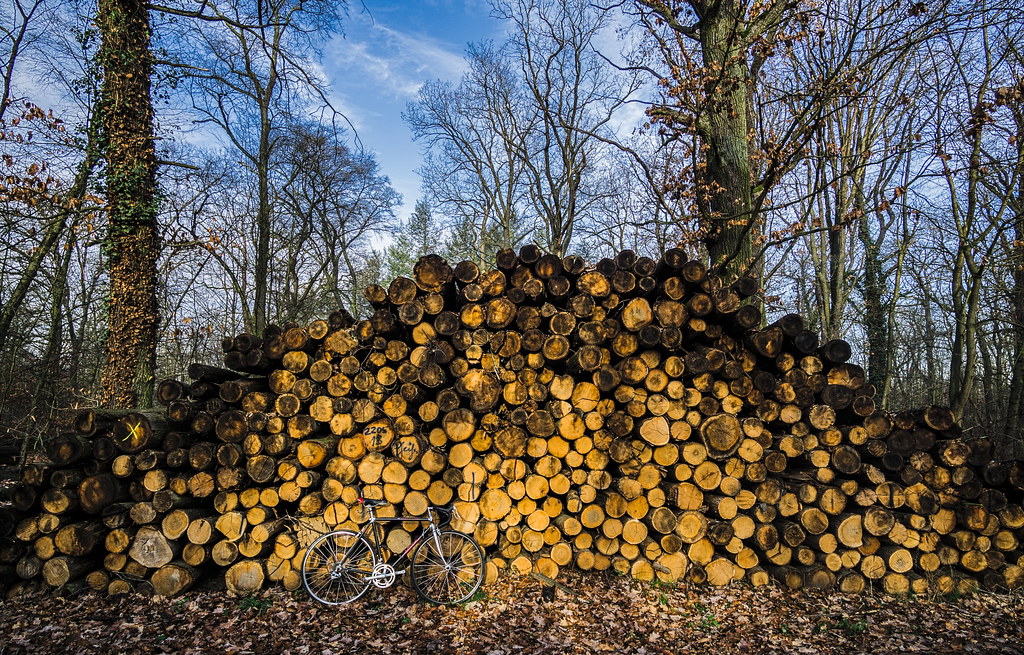
Logged trees for biomass in Bischofsheim, Germany. Image by 7C0 via Flickr (CC BY 2.0)

This story describes the final revisions to a multi-year process in the European Union that led to a largely status quo rendering of the European Union’s Renewable Energy Directive, especially as it applies to burning forest biomass for energy and heat as a means of reducing coal burning.

Before the debates in Brussels even got started in earnest in 2021, hoped was raised in Madrid, Spain, at the end of the United Nations climate summit, COP25, when Frans Timmermans, the Dutch politician who is the EU’s top environmental minister, answered a question of mine regarding biomass energy and whether not counting emissions at the smokestack was skewing emission-reduction accounting. Timmmermans’ response — that it was time to take a close look at regulations regarding biomass because new science had emerged — sent a wave of hope through European forest advocates.

If Timmermans was willing to follow the science, they reasoned, certainly changes were possible that would protect native forests, reduce or eliminate subsidies for purchasing wood pellets, and most importantly, reverse the science-challenged definition of woody biomass as a renewable energy source equal to zero-carbon wind and solar. Australia made this definition change policy in December 2022.

After two years of intense lobbying, special documentaries, investigative reporting, overwhelming public opposition, letters signed by hundreds of EU scientists and clear evidence that exchanging coal for wood is not only adding to deforestation globally but adding to emissions as well, the changes in the third iteration of RED are minimal — at best. My story explains the details. This quote captures the alarm and disappointment:

“The revised RED is not based on advancing scientific or even pragmatic insights as we fought and hoped for years,” Fenna Swart, a forest advocate with The Netherlands’ Clean Air Committee, told Mongabay. “It is only a political solution for key stakeholders… for an unsolved global problem.” Stakeholders who benefit, she said, include northern European member states with large harvestable forests such as Sweden and Finland, and the forestry and energy industries.

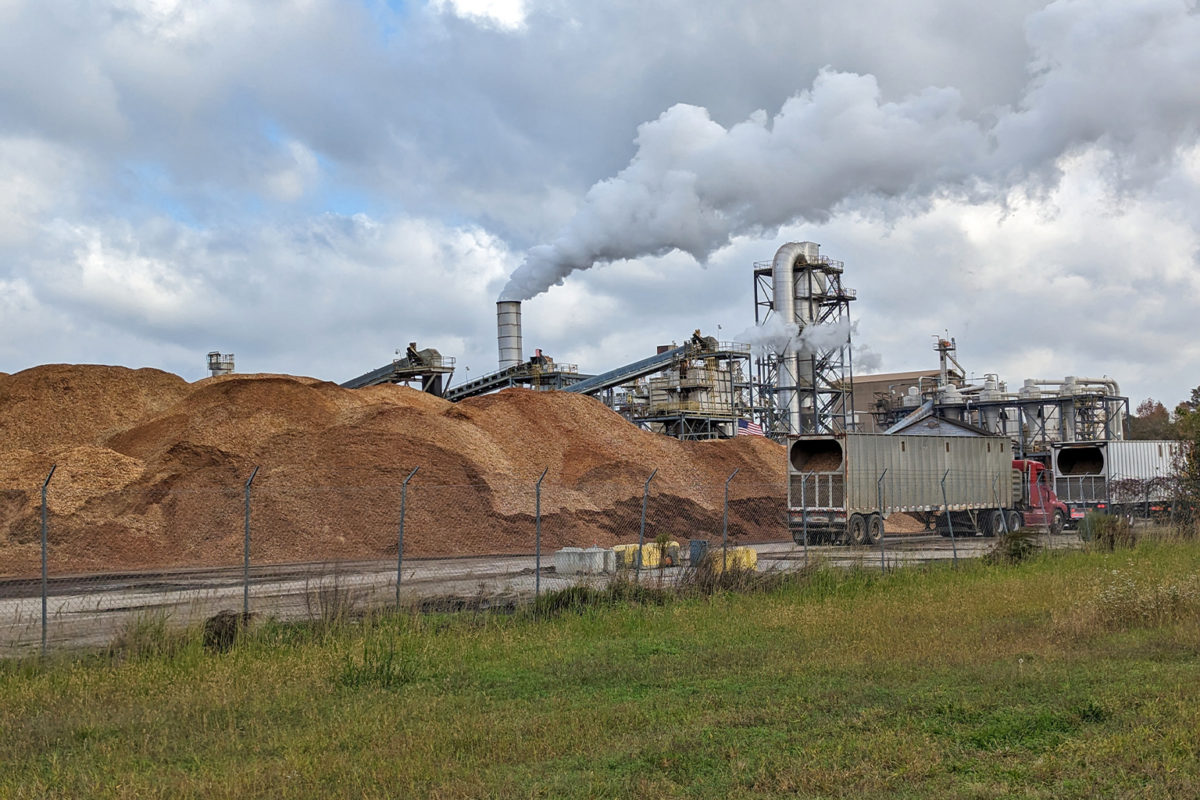
As I witnessed during a reporting trip to the North Carolina coast in November 2022, native forests are falling at a constant and growing rate to enable Marylond-based Enviva, the world’s largest maker of wood pellets, to meet accelerating demand for wood pellets in Europe, the United Kingdom and Asia — all because of deeply flawed national policies at the worst possible time in the climate crisis. Deforestation in harvest areas of North Carolina is estimated at 6 percent a year and will only increase an Enviva’s wood pellet production doubles by 2027. This photo of mine is of Enviva’s smallest plant in Ahoskie, NC.

Mongabay: France seeks EU okay to fund biomass plants, burn Amazon forest to power Spaceport

A colorful tropical tree frog in French Guiana. This French overseas department is known for its extraordinary Amazon biodiversity, with many species still not described by science. Image by Stephan Roletto via Flickr (CC BY-NC 2.0).

This story out of Europe had its genesis in a related story I did during the pandemic.

In late 2020, a source with the NGO Biofuelwatch, Almuth Ernsting, started sending me information about plans on the part of France to shift the primary energy source in French Guiana (FG) on the north coast of South America from oil to biofuels — primarily by growing soy. A lot of soy. I knew little about France’s territory in the Amazon, but learned quickly with the help of forest advocates Marine Calmet in Paris and Francois Kuseni in French Guiana.

Keep in mind, FG is the size of Indiana and is 98 percent forested. It has unparalled biodiversity — one of the largest intact rainforests in Amazonia. France’s plan? Deforest up to 890,000 square miles, three times the size of New York City, to grow the soy necessary to make liquid biofuels replace three creaky fossil-fuel plants on the north coast.

France? Home of the Paris Agreement? Proud to proclaim itself a climate champion to the world? Taking an enormous bite out of the always-under-assault Amazon — for bioenergy that actually produces more emissions than coal? It sounded preposterous. It wasn’t. This story from 2020 explains — and was cited in an FG court hearing where a judge stopped the project, at least for three years.

In early 2023, Ernsting sent more information my way with a France/FG/Amazon connection. French President Emmanuel Macron‘s political allies are seeking an exemption of EU law that protects native forests from being reduced to biomass for energy so it can, once again, develop bioenergy, this time to power the European Spaceport in FG. France is making this request at the same time it is co-leading a conference in Gabon, Africa, to develop strategies to protect tropical forests around the world.

Except, apparently, in French Guiana.

France won an appeal to pursue the massive deforestation needed to grow soy for liquid biofuels. Kuseni says forest advocates are appealing that ruling, which came in France, btw, not FG.

My story was translated into French; here’s the translation.

Kourou, French Guiana, where France is seeking an EU exemption to subsidize the building and operation of two biomass burning power plants that would provide energy to the European Space Agency and French Space Agency. Image courtesy of the European Space Agency.

Mongabay: The EU banned Russian wood pellet imports; South Korea took them all

The Samcheonpo power plant in South Korea co-fires with coal and woody biomass, allowing it to claim it is reducing emissions under a carbon accounting loophole. Image courtesy of Solutions for Our Climate.

This story, my first of 2023, came from NGO sources I developed in Spring 2022 when writing about the explosive growth of woody biomass for energy in Japan and South Korea. At the time, Russia’s unprovoked and devastating war with Ukraine was just starting and Europe was still importing tons of wood pellets from Russia, providing billions of dollars to the Russian war effort.

NATO countries decided in July to ban Russian imports as part of escalating sanctions. Little known at the time, but revealed in late December by three different organizations, South Korea — ignoring its Western allies — took advantage of the Russian surplus and allegedly took all the pellets Russia would ship. NGOs is South Korea, Europe and the United States are livid, as my story explains. Moreover, it appears Russia has figured out how to get around the European ban by laundering its pellets through neighboring countries. All to help pay for the most egregious war crimes in Europe since World War II.

As my source in South Korea told me: “We are deeply ashamed that our government is allowing the purchase of products associated with both a humanitarian and climate crisis…” 

Sea Change Radio: Wood Pellets – The New Coal

Wood pellet production.

My December stories on the wood pellets industry, from the Enviva whistleblower to the policy changes in The Netherlands and Australia, have attracted attention from other journalists, including those working in Denmark, Germany, and the U.S. My colleague Erik Hoffner knows radio host Alex Wise, with Sea Change Radio in the Bay Area of California. Wise was eager to talk with me about my December coverage on his program, which focuses on issues related to climate change and sustainability.

Here’s our interview. Included midway is a fabulous Hank Williams song Settin’ the Woods on Fire, which adds a little levity to an otherwise serious set of issues. Sea Change Radio is carried weekly on more than 80 radio stations coast to coast in the U.S. and up into Alaska.

Mongabay: Australia rejects forest biomass in first blow to wood pellet industry

What Is The Role Of Koalas In The Ecosystem? - WorldAtlas
As 2022 came to a close, Australia did something no other major economy has done. It changed an environmental policy that essentially stops the wood pellet industry from starting up at any measurable scale. Forest advocates used the image of “dead koalas” in lobbying energy companies to not turn to biomass.

This story demonstrates the significance of a definition, in this case: what exactly is renewable energy? In September, the European Union punted on an opportunity to correct what forest advocates and climate scientists stress is an erroneous definition, that burning forest biomass is a renewable energy source, as this story explains. But as I report here, the liberal Australian government, persuaded by a relentless pro-forest campaign, reversed its existing policy to note that burning forest biomass is not a renewable energy source.

With that definition change, Australia virtually halted the ever-growing biomass industry — which is thriving in the United Kingdom , EU and Asia — from getting started Down Under. It represents a rare global win for environmentalists who have been battling the industry for years. And it raises a vexing question: how can major economies have polar opposite definitions of renewable energy during a climate crisis? And how can the United Nations’ governing body on climate change stay silent on this discrepancy?

This story posted on Wednesday, December 21, a time when people are distracted by the holidays and other grim world news. Yet this story drew more readers around the world than perhaps any I’ve written for Mongabay. Just one tweet by Mongabay drew more than 5000 likes, 1350+ retweets and 115+ comments — numbers I’ve never come close to with previous stories. Mongabay social media coordinator Erik Hoffner tells me the story ranked as the 6th best-read Mongabay story of 2022 and it posted just days before Christmas. It also got a big boost from tweets by noted environmentalist Bill McKibbon, which attracted even more global attention, as did tweets in Dutch posted by forest advocate Fenna Swart.

Mongabay: The Netherlands to stop paying subsidies to ‘untruthful’ biomass firms

A view of an Edenton North Carolina forest clear-cut photographed in November 2022. A logger on site told Mongabay that roughly half of the trees cut there and chipped were destined for a nearby Enviva wood pellet plant. Enviva exports large amounts of wood pellets to the UK, EU and elsewhere. The firm makes extensive green claims. Image courtesy of Bobby Amoroso.

Cause and effect. That’s something journalists covering controversial topics hope for — that our dogged reporting will come to more than praise or complaints from readers, that it might actually have a more tangible impact. About two weeks after my exclusive whistleblower story was published, this story illustrates a clear cause and effect, a tangible impact from my reporting.

On December 14, a liberal Dutch politician from Amsterdam cited specific details from the Enviva whistleblower story as the motivation behind a motion, approved 150-114, to compel the Dutch government to stop paying subsidies to wood-pellet manufacturers found to be untruthful in their wood-harvesting practices. Accountability journalism is a large part of what has motivated me throughout my career, and here at the end of 2022, it is bearing fruit in a way that happens all too rarely.

What this all means for wood pellet producers and energy companies that depend on wood pellets to generate energy as they phase out coal (not an environmentally or climate-friendly swap, scientists tell me) should become clearer in 2023. It is a story I will continue to cover.

Meanwhile, in what amounted to a fabulous gift on Christmas Eve, Bill McKibben, writer, author, educator and one of the leading and loudest US voices in global environmentalism, devoted his last Substack newsletter of the year to my reporting in December 2022. McKibben also promoted my stories out to his vast audience on Twitter, which resulted in an additional enormous response and engagement beyond what we were already seeing with Mongabay’s coordinated social media postings by colleague Erik Hoffner.

Illustration with Bill McKibben’s newsletter under the headline: A little Xmas cheer for trees/ Biomass burning has a bad week