Tag Archives: Climate change

Mongabay: Carbon sequestration role of savanna soils key to climate goals

An elephant roams the mixed savanna of Kruger National Park in South Africa in June 2017. Photo by Bobby Amoroso

An elephant roams the mixed savanna of Kruger National Park in South Africa in June 2017. Photo by Bobby Amoroso

I’m quite proud of this story for Mongabay, which for me represents a new part of the world, new ecosystems and new scientific sources with a news hook that sets up my coverage of my fourth United Nations Climate Summit — COP23 — in Bonn, Germany from Nov. 6-Nov. 17, 2017. Within a few days, it became hit the No. 2 spot on Mongabay’s Most Read stories list. Here’s how it came about:

When I met and began talking with Wake Forest biologist Michael Anderson in spring 2017 about his work in  in the Serengeti of Tanzania, I realized there was this enormous ecosystem — savannas and grasslands — that I knew precious little about. I’ve had the good fortune, with the initial invitation of good friend and tropical ecologist Miles Silman (also of Wake Forest), of reporting from the cloud and rain forests in the Peruvian Amazon and from the Mesoamerican coral reef of Lighthouse Reef Atoll far off the coast of Belize. But savannas and grasslands, which cover more than 20 percent of the earth’s surface? I knew virtually nothing.

Getting into Tanzania proved too difficult on short notice, so Anderson recommended South Africa. He then put me in touch with a quartet of scientists at a top university in Johannesburg (Nelson Mandela got his law degree there), and three responded readily that they would be happy to meet with me and talk about their research in the bush. Through the help of London-based World Fixers, I was able to hire a videographer named Neil Bowen in Johannesburg to work as my fixer, helping to arrange interviews, plot logistics and make contacts near the world-famous Kruger National Park. When my good friend Bobby Amoroso agreed to join me as my photographer, we bought plane tickets for the 17-hour flight from Atlanta to Jo-burg and went on safari.
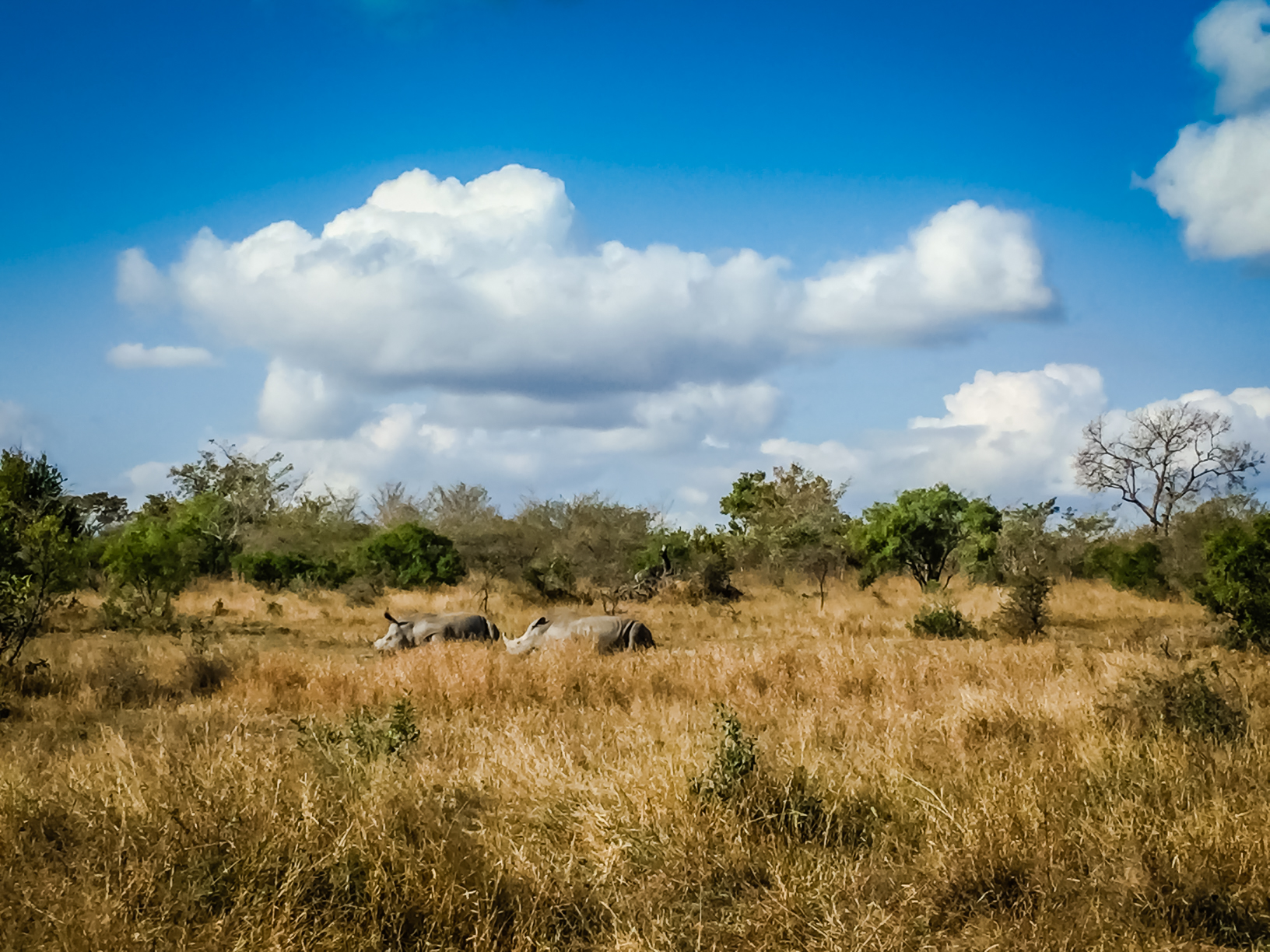
Rhino resting in the wide open savanna in South Africa. These iconic creatures don't live in forests. Photo by Bobby Amoroso

Rhino resting in the wide open savanna in South Africa. These iconic creatures don’t live in forests. Photo by Bobby Amoroso

Over the course of 12 days, we observed, experienced and learned so much. I hadn’t expected to do a story on rhino poaching and the threat of species extinction in Kruger and the rest of the African continent. That story, which Mongabay posted in July, fell into our laps with the help of Bowen’s exceptional contacts. But this story here was my initial target: how do I understand the role of savannas and grasslands at two often conflicting levels — sequestering carbon in their soils and thus slowing the rate of global warming, and providing a home for the largest, most iconic animals left roaming the earth.

The essence of my story can be summed up in this quote from highly regarded researcher Bob Scholes (pictured with me below) when we met and spoke at a weekend event outside Jo-berg:

“If you want to keep global temperature rise under 2-degrees Celsius [1.8 degrees Fahrenheit; the Paris Agreement goal], then you need forests growing,” says biologist Bob Scholes, a systems ecologist at Witwatersrand University. “I love trees,” he adds. “But the fact is, for a lot of reasons, they are not always the answer.”

Bob Scholes and I at a science and art event on the outskirts of Johannesburg in June 2017. Photo by Bobby Amoroso
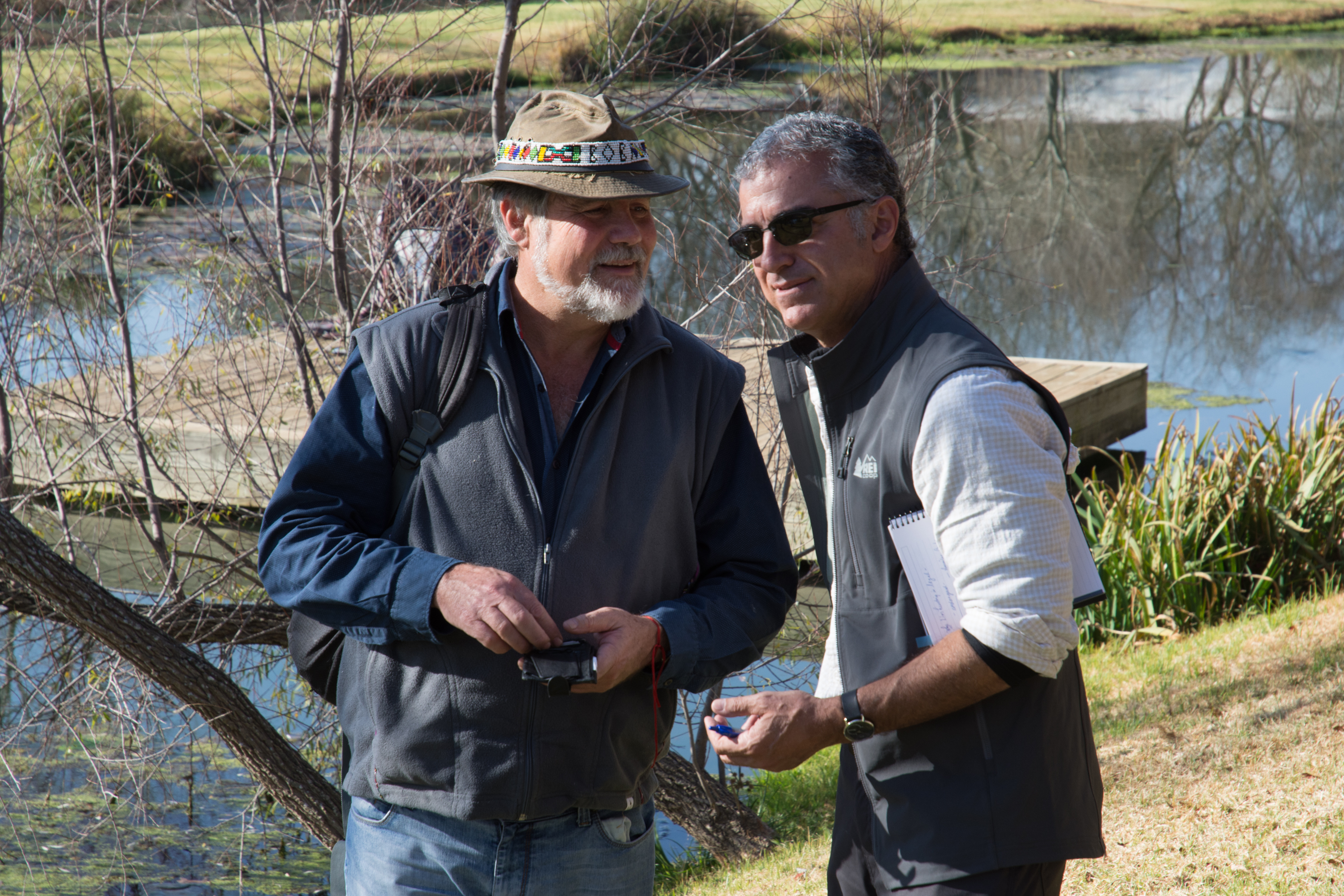
Bob Scholes and I at a science and art event on the outskirts of Johannesburg in June 2017. Photo by Bobby Amoroso
 

Mongabay: COP23: Trump, U.S. govt. seen as irrelevant to global climate action

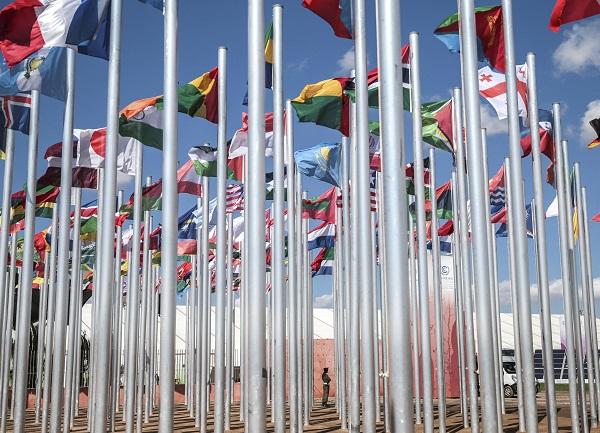
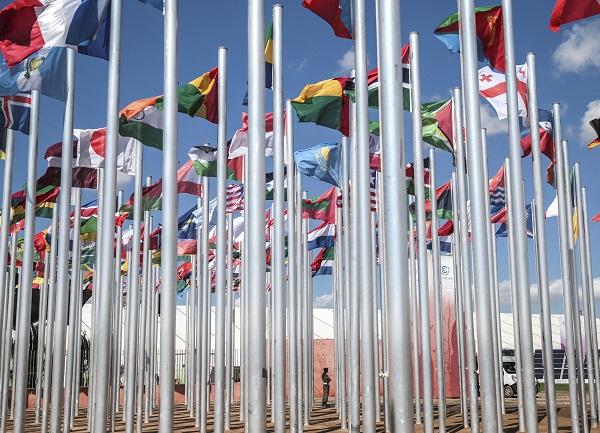
Entrance to COP22 in Marrakesh, Morocco in November 2016. Photo by Justin Catanoso

Entrance to COP22 in Marrakesh, Morocco in November 2016. Photo by Justin Catanoso

When two major and startling studies on climate change were released a few days apart — one by US scientists and the other by the World Meteorological Organization — I pitched my Mongabay Editor Glenn Scherer as news story tied to the Nov. 6 opening of COP23 in Bonn, Germany. He recommended get some outside comments and after a flurry of emails, I had compelling comments from sources at World Wildlife Fund, Environmental Defense Fund, Greenpeace and Corporate Accountability International. From the story, linked here:

Both reports undermine the Trump administration’s hostile denialist stance on climate action and take a toll on the international credibility of the United States, at least at the federal level, at a moment of escalating environmental crisis on land, air and sea.

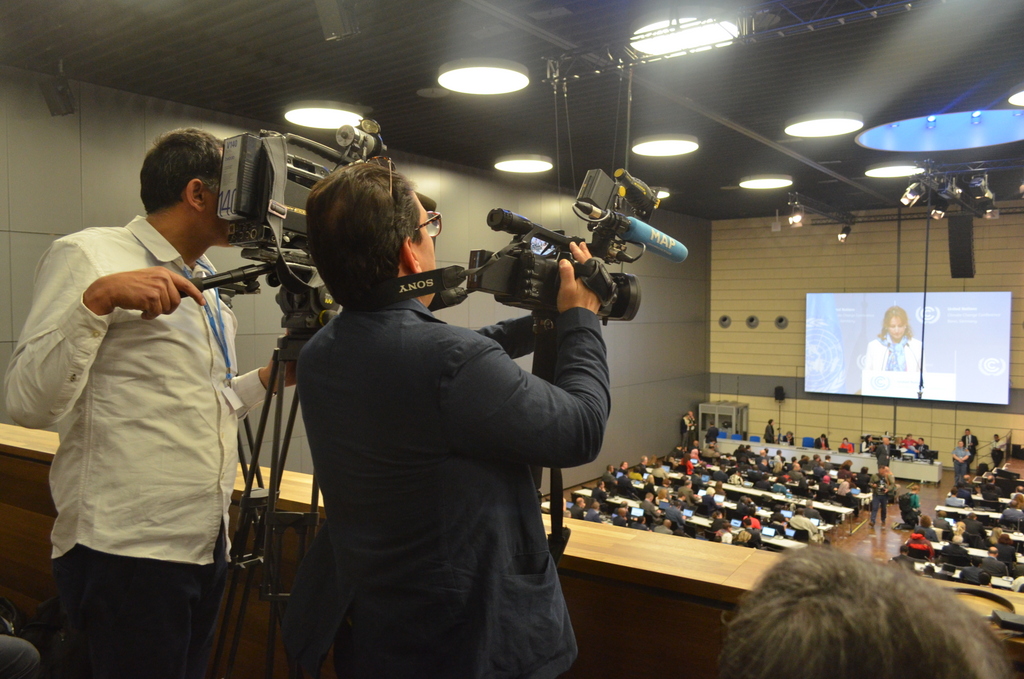
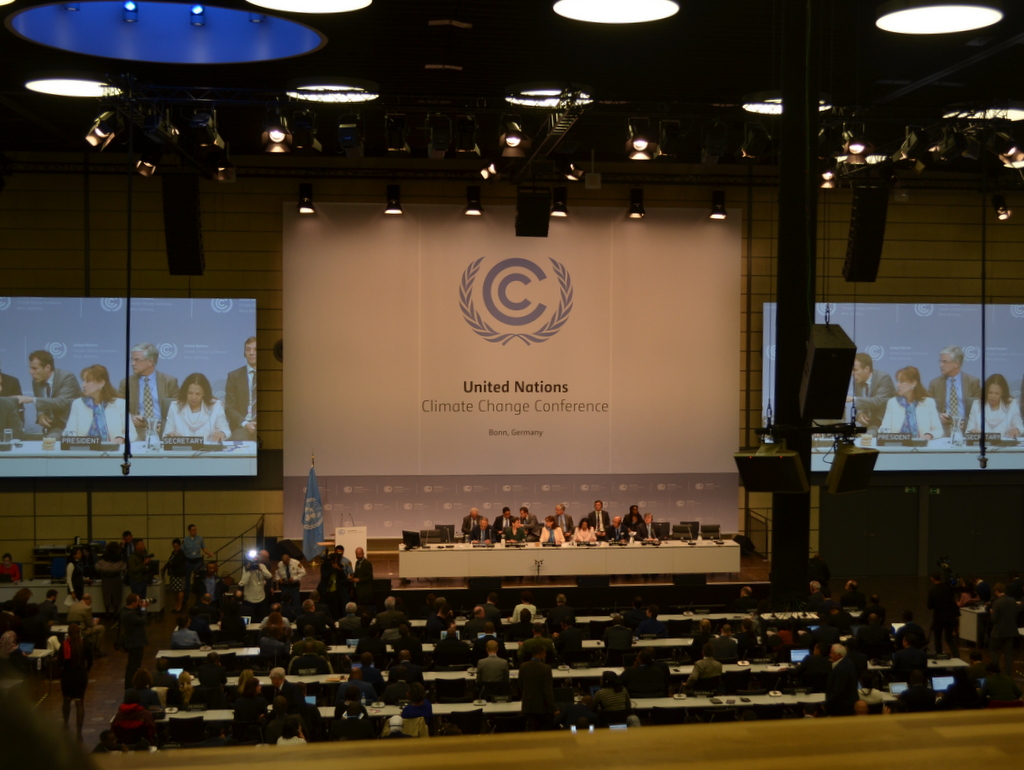
Delegate primary meeting hall at COP23 in Bonn, Germany. Photo by Justin Catanoso

Delegate primary meeting hall at COP23 in Bonn, Germany. Photo by Justin Catanoso


Mongabay: Global climate change increasing risk of crop yield losses and food insecurity in the tropical Andes

I met the author behind the important research that makes up this story of mine during my first trip to the Peruvian Amazon in summer 2013. Richard Tito is a Quechua Indian who grew up poor and isolated in the remote Andean Mountains in the Amazon basin. We could not speak because his second language was Spanish, which I don’t speak, and he had no English.

But his determination to rise above any and all obstacles and become a biologist was apparent in the short time we spent together. I didn’t realize he was the author of this report until after I concluded its newsworthiness (as did my Mongabay.com editors). Richard is now Dr. Tito with a PhD from a reputable university in Brazil. His own story is as good as his research on the impact of rising temperatures on high-elevation tropical farming (shown above).

“I am a member of the local community and I know the study area, the local farmers and their rich traditional knowledge,” said Tito, who recently received his PhD from the Instituto de Biologia at the Universisdade Federal de Uberlandia in Brazil. “Because the population is skyrocketing, climate is changing and the impact on food production is a real threat, a real motivation for me in this research is to recommend effective management strategies.”

Mongabay: Colombia, an example to world, balances conservation and development — a Q&A

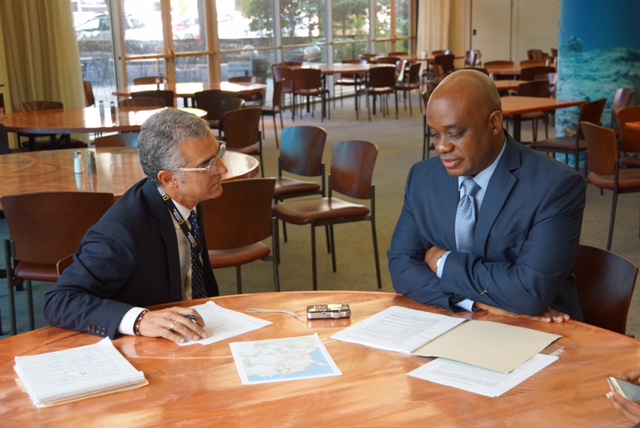
Interviewing Colombia's minister of the environment on Sept. 21 at the headquarters of National Geographic. Photo by Enrique Ortiz

Interviewing Luis Murillo, Colombia’s minister of the environment, at the headquarters of National Geographic. Photo by Enrique Ortiz, Andes Amazon Fund

On Sept. 21, 2017, in Washington, D.C., I had the unique opportunity to interview one of the leaders of environmental protection in Latin America — Luis Murillo, the minister of the environment and sustainable development in the cabinet of President Juan Santos. Murillo was in DC that day for a ceremony sponsored by National Geographic honoring Santos for his aggressive action in doubling the amount of protected areas in his biodiverse country — from coral reefs to high-mountain rain forests — since taking office in 2010. My interview with Murillo preceded the event and was an exclusive for Mongabay. The story link is here.

In the weeks prior to my DC sojourn, I spent hours immersed in studying Colombian environmental politics, Santos’ environmental record, his controversial peace accord with the FARC that ended a 50-year civil war and earned him the 2016 Nobel Peace Prize, and as much as I could about Murillo. Haley Weibel, a communications specialist with the Andes Amazon Fund in DC, was instrumental in providing key material for me to read. My good friend Enrique Ortiz, program director with the fund, provided critical insight about Santos, Murillo and the myriad challenges to their environmental legacy.

My time with Murillo was limited, so we wasted no time jumping into deep end of the issues I wanted to discuss. He was a pleasure to talk with. He spoke with great candor and insight, and never ducked when I asked him pointed questions. He knows what’s at stake in setting aside so much land in Colombia — land that just below the surface is rich with fossil fuels and precious metals. He made it clear that he believes his developing country has a moral obligation to not plunder these critical ecosystems for short-term economic gain. But he stressed that the world’s wealthiest nations should feel compelled to support Colombia financially so that it can actually protect and preserve all the land Santos has set aside for future generations. Extraction industrialists will only sit on the sidelines for so long.  Deforestation in Colombia since the end of the civil war is already escalating. My interview with Murillo gets into such thorny issues and more. My thanks to Mongabay founder Rhett Butler for assigning me the story.


Mongabay: People of all faiths face climate change with hope, action, urgency

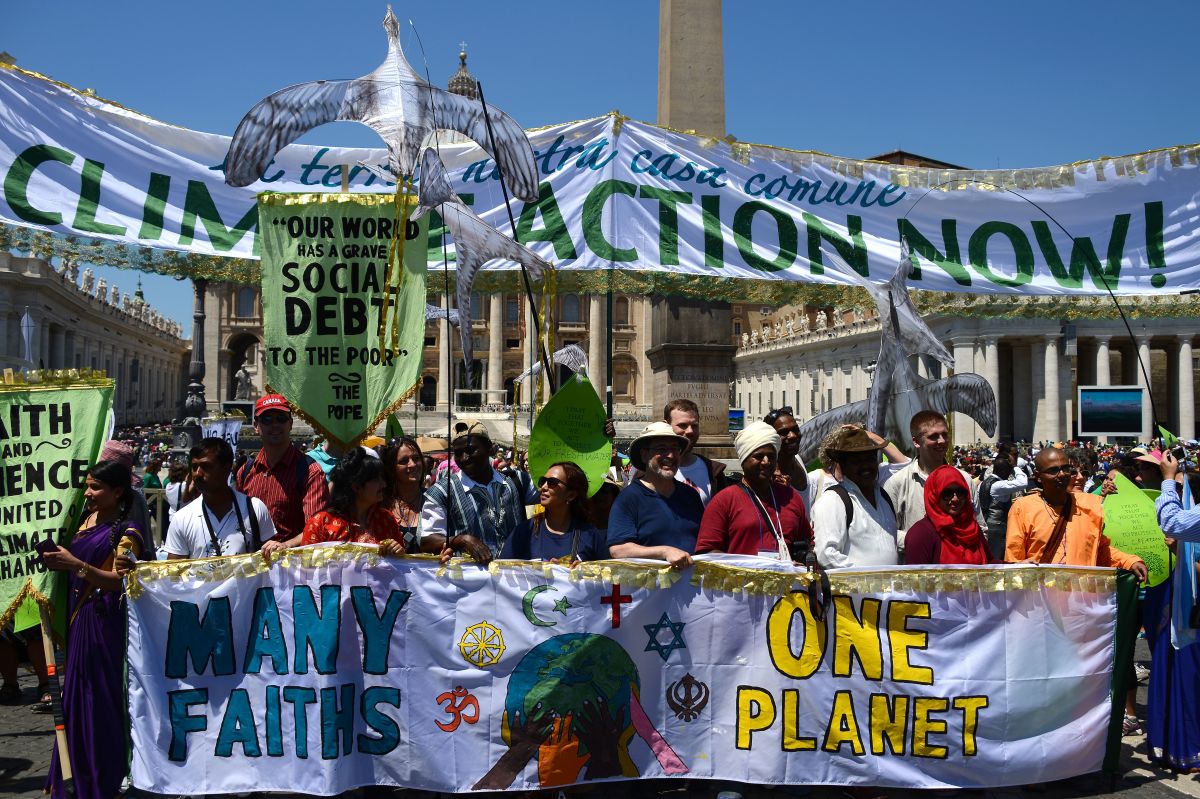
Activists display banners calling for action on climate change and against world poverty as they arrive on St. Peter's Square prior to Pope Francis' Sunday Angelus prayer at the Vatican.

Two years after Pope Francis launched Laudato Si, the Vatican’s plea to save the earth, Trump rejected its tenets and the Paris Agreement. But people of all faiths are unified globally to beat climate change. Here’s my story in Mongabay. Thanks to editor Glenn Scherer for assigning this follow-up to a series of related stories I wrote from Rome, Peru and Paris in 2015-16.

Mongabay: China flexes its new climate action muscles in Bonn; Trump administration blinks

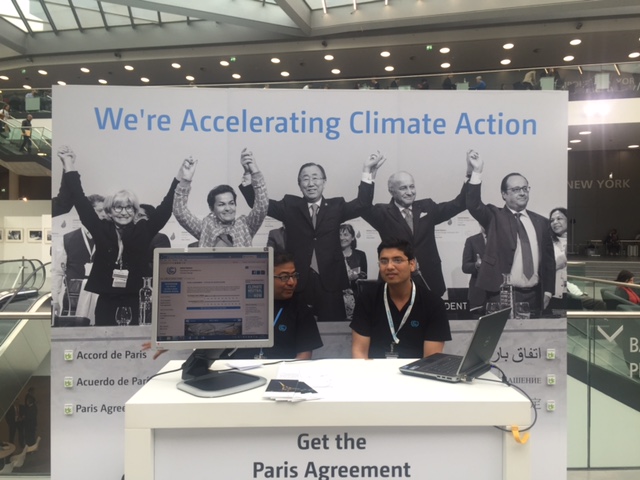
Top officials celebrate after the Paris Agreement was signed in December. But critics see no acceleration.

Top officials celebrate after the Paris Agreement was signed in December 2015. Trump’s threats to withdraw from the agreement has touched off a hostile global response, especially from China. Photo by Justin Catanoso in 2016.

A good source with World Resources Institute in Bonn, Germany, tipped me off to this story about China’s disgusted reaction to Trump’s repeated threats to withdraw from the Paris Agreement. After a conversation with Mongabay editor Mike Gaworecki, we agreed to a quick follow up given that the mainstream media has not reported the news yet. They will. We just have it early.

Mongabay: Trump failure to lead on climate doesn’t faze UN policymakers in Bonn

Press coveringLast year (May 2016), I was fortunate to cover the first week on the UN mid-year climate conference in Bonn, Germany. This year, under the specter of a US president threatening to pull out of the historic Paris Agreement, I produced a story for Mongabay from my home office in North Carolina. The story is here. Thanks to editor Glenn Scherer for his quick and thorough work. The story quickly hit Mongabay’s Best Read list at No. 5.

In my reporting:

  • Bonn negotiators remain unfazed by Trump’s climate change denialism or his threat to withdraw from Paris. Every signatory nation is going forward with meeting voluntary carbon reduction pledges. Some policymakers do worry how the parties to the Paris Agreement will make up the loss of billions of dollars in U.S. climate aid promised under Obama, but now denied by Trump.

Mongabay exclusive: Iconic musician Paul Simon announces tour supporting biodiversity (story and podcast)

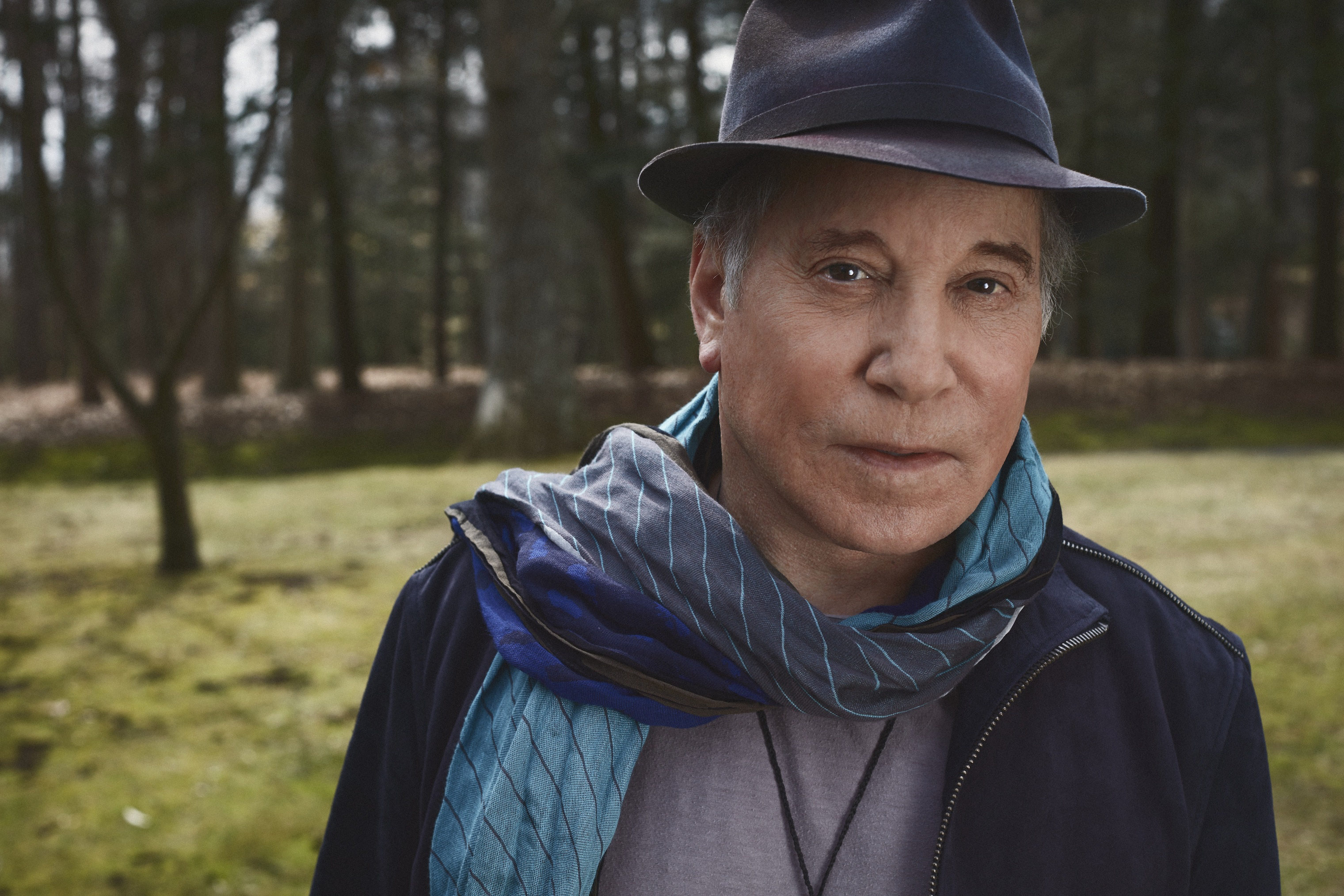
PaulSimon_credit_MyrnaSuarez_0444_General1

Early last month, Erik Hoffner, a special editor with Mongabay, got in touch to tell me about the site’s coup of an interview with Dr. E.O. Wilson, one of the world’s leading conservationists. The story and Q&A was exceptionally well done. Erik then let me know that the E.O. Wilson Biodiversity Foundation based at Duke University would be hosting a two-day conference, and the legendary singer-song writer Paul Simon would be involved. He wondered if I would be interested in trying to get an interview with Simon and writing a story for Mongabay.

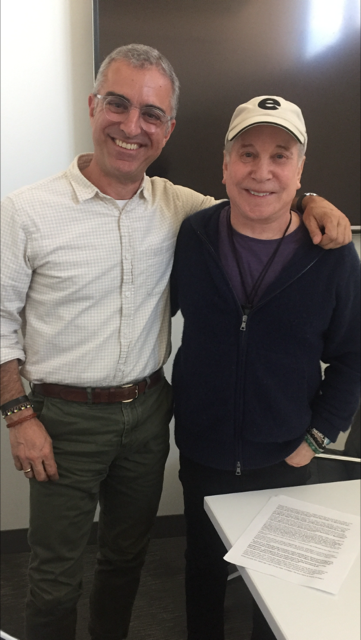
Not a tough question to answerPaul Simon and me. With the help of Paula Erhlich, the CEO of Wilson’s foundation, Simon agreed to meet with me for an exclusive interview on March 3 on the Duke campus during the conference. Simon’s music has been a seminal part of my life, and the life of my family, for decades. Meeting him was a special thrill of a fortunate journalist working for a great news organization. We spoke easily and intently for an hour, a little about music, but mostly about Wilson’s Half-Earth Project and its goal to stave off species extinctions around the world.

We also got to break the news of Simon’s 17-city U.S. concert tour in June 2017 with all profits going to Wilson’s foundation and the Half-Earth cause. The full story is here.

On March 21, 2017, the Mongabay podcast, produced by Mike Gaworecki, posted. The link to my conversation with Mike about the Paul Simon interview, with long outtakes from the interview, is here.

Mongabay: Many tree species in eastern US may be unable to adapt to changing climate, study finds

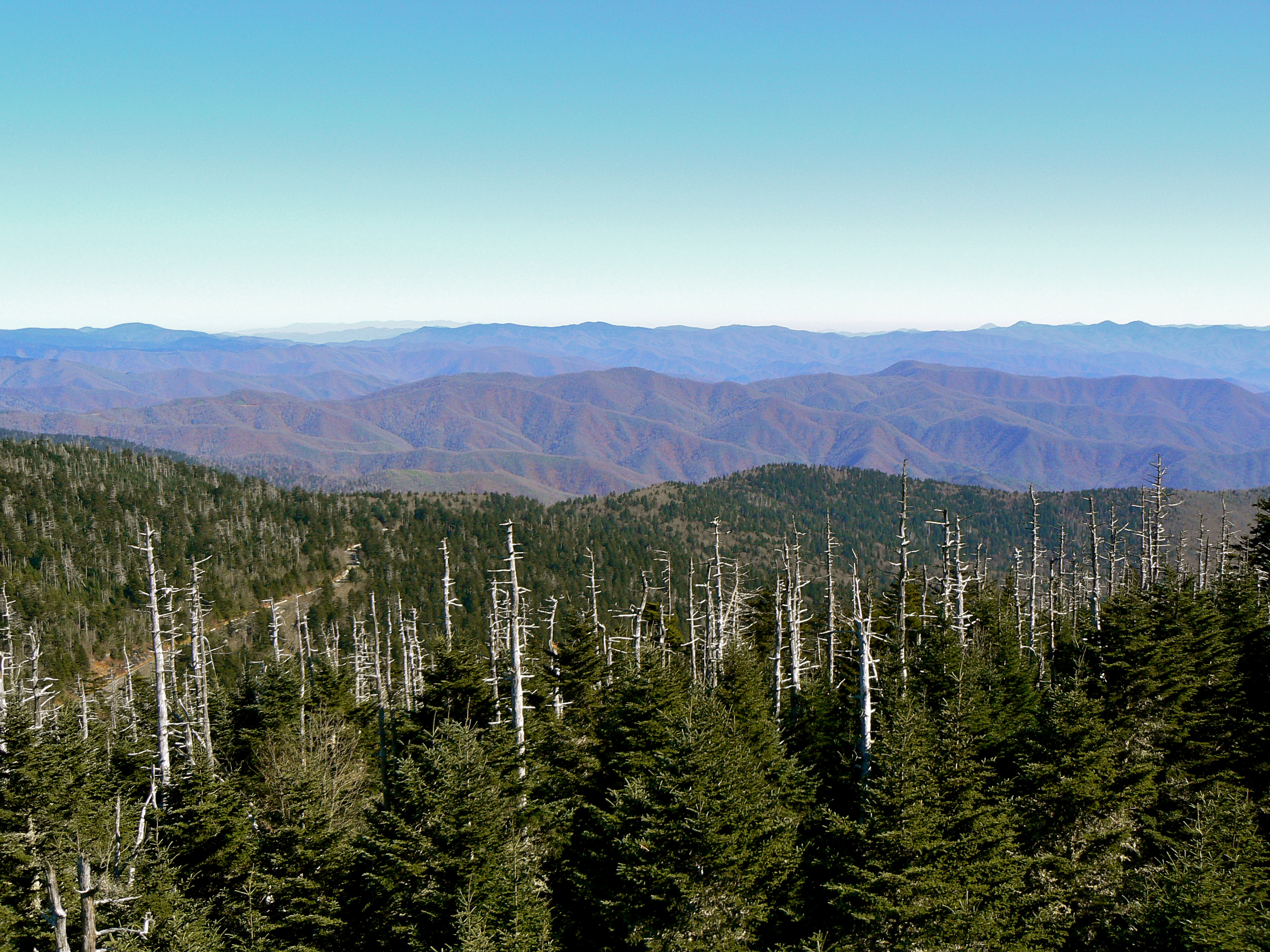
Smokies

Woods Hole Research Center in Massachusetts produces as strong compelling evidence of how climate change is affecting our most iconic trees in the Eastern United States. My story for Mongabay is posted here.  Thanks to Dave McGlinchey, a former student now the Woods Hole communications director, for helping with sources and photos. And to my editor at Mongabay, Mike Gaworecki.

Mongaybay @ COP22: Trump vows Paris Agreement pull out; world unites behind green economy

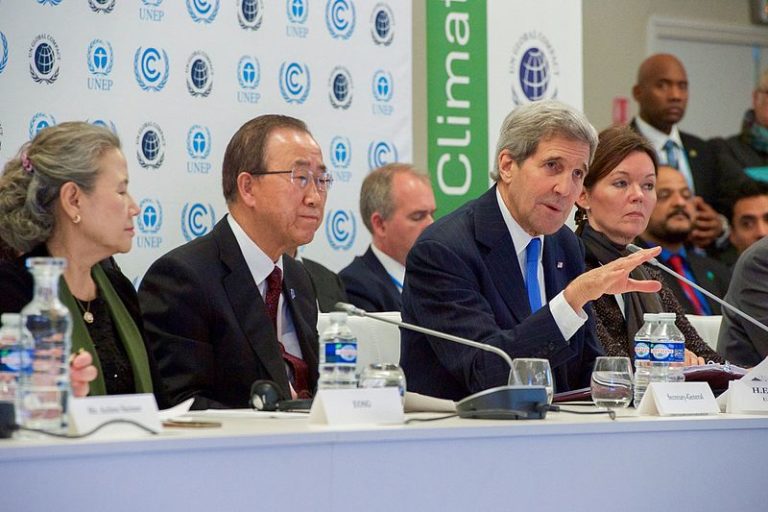
While the Obama Administration — including John Kerry shown here at the Paris summit — was instrumental in successfully negotiating the 2015 accord, the international community at COP22 says it is committed to moving forward without the US. China is likely to fill the leadership void created by Trump. Photo courtesy of the US State Department

While the Obama Administration — including John Kerry shown here at the Paris summit — was instrumental in successfully negotiating the 2015 accord, the international community at COP22 says it is committed to moving forward without the US. China is likely to fill the leadership void created by Trump. Photo courtesy of the US State Department

My Mongabay editor Glenn Scherer requested this story over the first weekend of the 22nd United Nations Climate Summit in Marrakesh. I had already written a world reaction story to the stunning election of a boorish, bigoted charlatan as the next president of the United States. But Glenn wanted me to keep after the story. I’m glad I did. The specter of Trump hung over the entire conference and dominated almost every question at every press conference, and more than a few side side discussions.

Appearing at the mid-week press conference, Secretary of State John Kerry said angrily: ““This is bigger than one person, one president. We have to figure out how we’re going to stop this [Trump’s plan]… No one has the right to make decisions that affect billions of people based solely on ideology or without proper input.”

John Pershing. Photo by Justin Catanoso

Jonathan Pershing. Photo by Justin Catanoso

Lead US negotiator Jonathan Pershing added: “It is no longer a question of whether to accelerate the [Paris] Agreement’s implementation, but rather a question of when and how.”

The offshoot: world leaders felt compelled to pledge an even stronger allegiance to the historic Paris Agreement, to not back away from their carbon-reduction pledges, and to do so with or without US participation or leadership. China now emerges as a potential leader in climate action, a development with grave implications for US trade and military policy and alliances. My story captures many of the storylines that dominated the final week of COP22.

Entrance to COP 22, UN Climate Summit, Marrakesh, Morocco

Entrance to COP 22, UN Climate Summit, Marrakesh, Morocco. Photo by Justin Catanoso