Tag Archives: Climate change

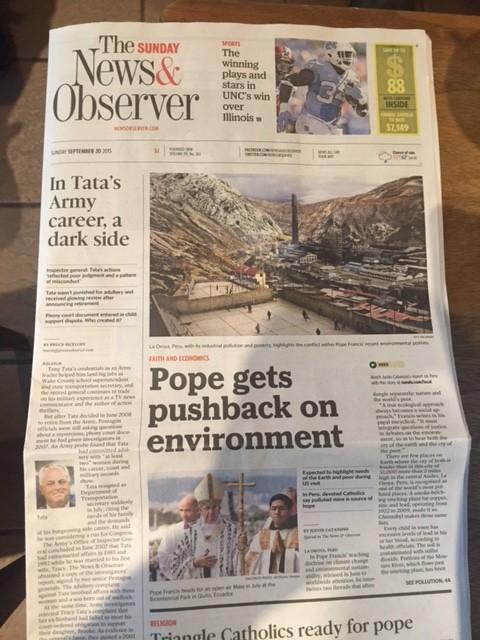
Sunday News & Observer: Pope gets pushback on environment

"The life of the plant is more important than anything the pope says." Photo by Jason Houstin

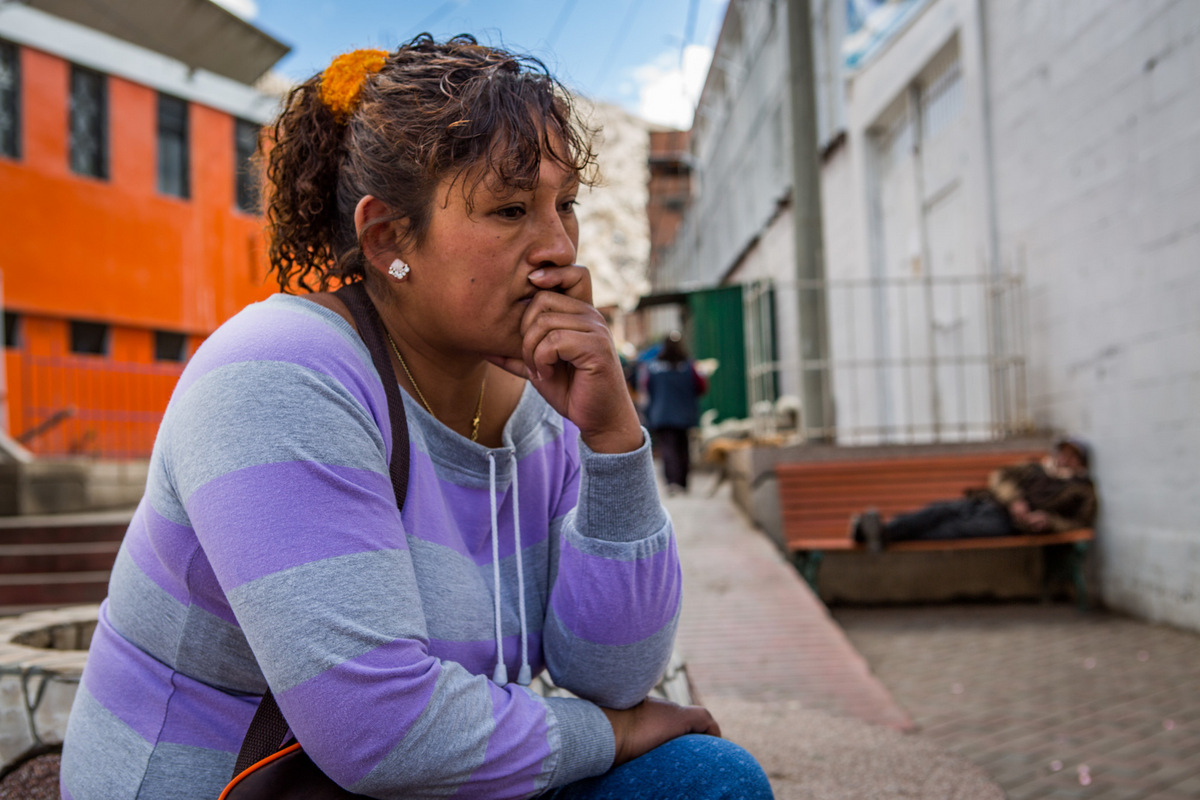
Emel Salazar in La Oroya, Peru: “The life of the plant is more important than anything the pope says.” Photo by Jason Houston

Every Pulitzer Center journalist must ensure that his or her work will be published or broadcast before a grant is considered. That’s the model. They pay expenses so that your work can fill the gaps of news organizations that want foreign reporting, but no longer have staff abroad. When my Pulitzer turn came around around again last spring, I called an editor I’ve long admired but never had the opportunity to work for: John Drescher of the New & Observer in Raleigh, N.C. After explaining my project, he readily agreed to take one of my stories. I was thrilled.

So on Sept. 20, 2015, I had my first page 1 story in a Sunday daily newspaper since I left the News & Record in Greensboro in May 1998. That’s a long time before Sunday fronts, but given that the N&O practically cleared page 1 for me and published all 1,900 words I wrote, plus several photos, it was worth the wait. It’s funny, but in buying papers in Chapel Hill, I felt the same thrill I did when I was a kid, seeing my first byline in print.

Front page, The Sunday News & Observer, Sept. 20, 2015. Photo by Justin Catanoso

Front page, The Sunday News & Observer, Sept. 20, 2015. Photo by Justin Catanoso

WFDD: Pope’s U.S. Visit Comes As He Calls For Climate Change Action

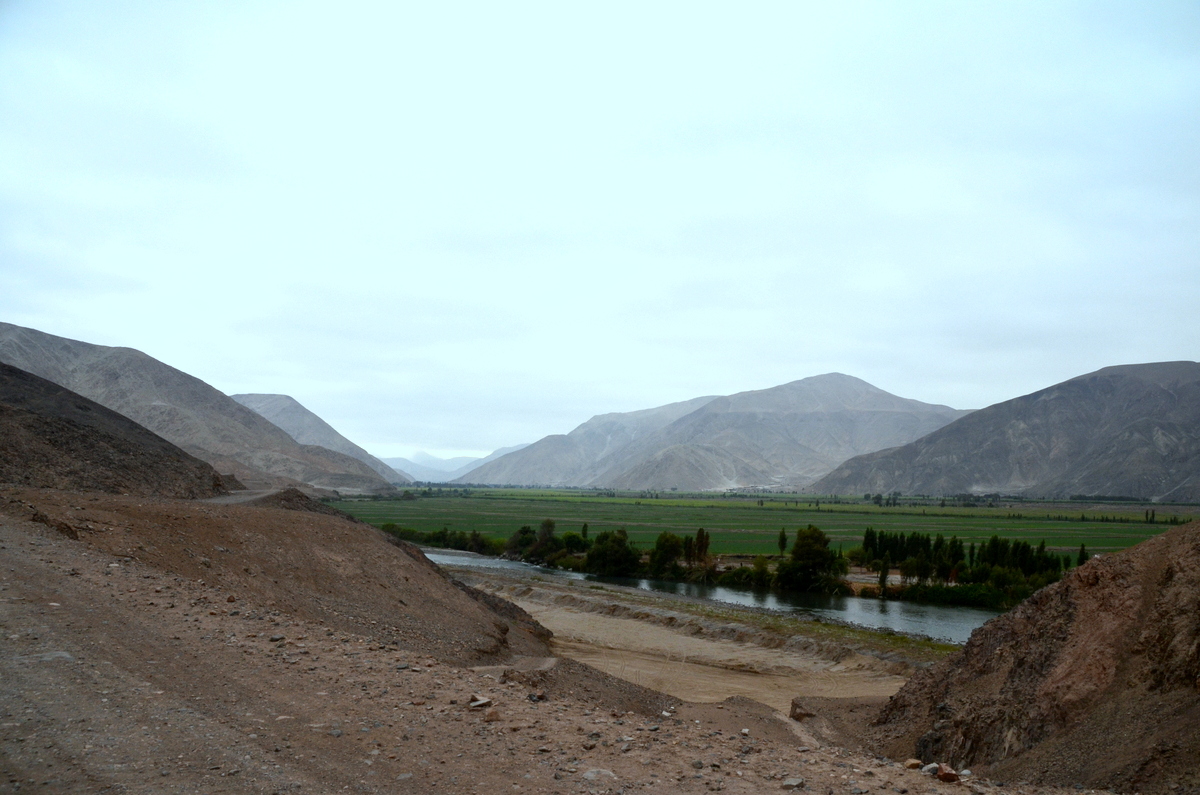
This farm valley in southern Peru is threated by a proposed copper mine. Photo by Justin Catanoso

This farm valley in southern Peru is threated by a proposed copper mine. Photo by Justin Catanoso

Emily McCord, the news director at WFDD, has had a huge interest in my climate change reporting since she joined the station a year ago last summer. I am grateful for that. Today, Sept. 21, 2015, she broadcasts my first radio report based on my Pope-and-Peru reporting.

Mongabay.com: Pope’s environmental encyclical arrives in Peru to mixed reviews

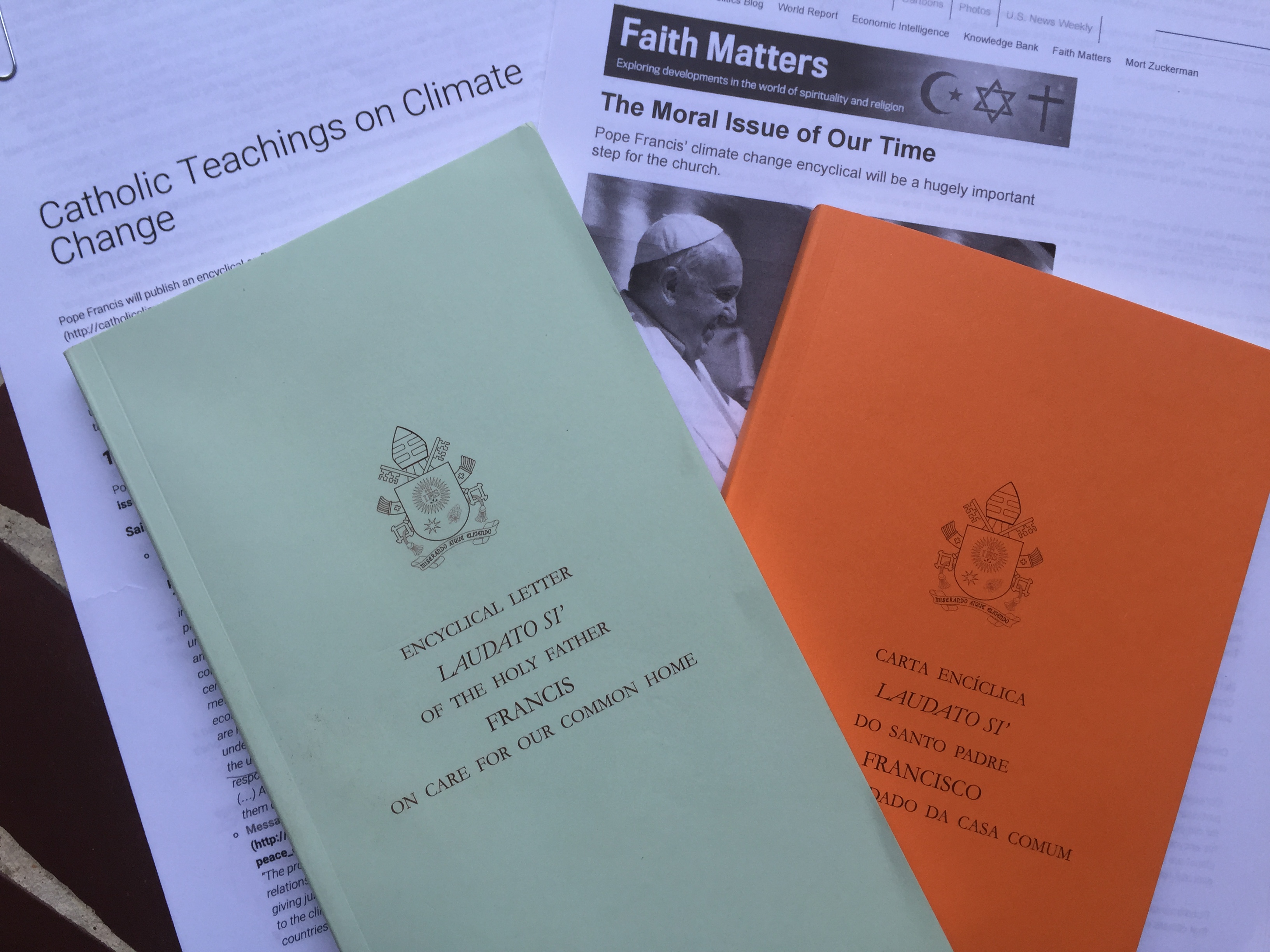
Pope Francis' encyclical on climate change and environmental protection. Released at the Vatican in June 2015

Pope Francis’ encyclical on climate change and environmental protection. Released at the Vatican in June 2015. Photo by Justin Catanoso

In early May, Jon Sawyer, founder and executive director of the Pulitzer Center on Crisis Reporting, asked me to take on a special assignment. He believed it was tailor-made for me. The topic: Pope Francis’ upcoming already-controversial encyclical, or Catholic, teaching document on climate change and environment protection. The premise: how is the document being received in Latin American, the popular pope’s home region. I was honored to accept the assignment.

After being able to cover the Vatican press conference on June 18 while in Rome with my Wake Forest travel writing students, I traveled to Peru twice during the summer — a total of three weeks — to report the story. I was joined by incredible professionals such as guide and consultant Enrique Ortiz, fixer Aldo Villanueava, photographer Jason Houston, and for two weeks, my daughter Emilia Catanoso, who was my first photographer.

I was proud that my first stories were published on one of the nation’s most respected environmental web sites, mongabay.com. Here’s a link to the first story.

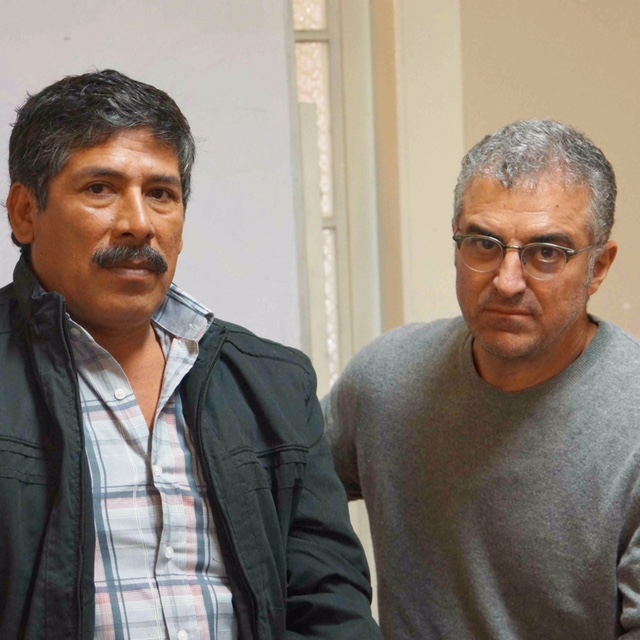
Jesus Cornejo, one of the most courageous men I've ever met. He is featured in the story. Photo by Enrique Ortiz

Jesus Cornejo, one of the most courageous men I’ve ever met. He is featured in the story. Photo by Enrique Ortiz


Can Mayors Lead the Charge Against Global Warming?

TRIAD NEXT: On Saturday, Dec. 6, my first evening in Lima, Peru, for the UN climate summit, I had the good fortune of meeting Riley M. Duren, a chief systems engineer with NASA’s Jet Propulsion Laboratory in Pasadena, Calif. For an hour or so in the lounge of the Lima Westin, after a long day of presentations at the Global Landscape Forum, Riley talked to me about an issue I had never really thought of before: the role of cities and mayors in the climate change equation.

He was so thoughtful and passionate on this topic that I set aside my Bloody Mary, grabbed my notebook and turned a casual conversation into an interview. I knew I had a column to write for the Triad Business Journal when I returned to the states. And within a few minutes, I knew our conversation would form the basis for my column, linked here at Medium.com

WFDD: Local Efforts Help Battle Global Climate Problem

Photo by Michael Frierson

Photo by Michael Frierson

In my final radio report on the UN climate summit in Lima, Peru, I spoke with WFDD’s Keri Brown about some basics: why we have global warming, the extraordinary role forests play worldwide as a sponge for greenhouse gas emissions, and the notion that mayors might be more effective than heads of state in fighting climate change. The audio story is here.

Excerpt: “This was probably the most surprising thing I learned in Lima. I was talking with a climate scientist from NASA and he told me that the world’s 50 largest cities account for about 70 percent of all greenhouse gas emissions. If you think about cities like Beijing, Mumbai, Bangkok, Rio de Janeiro or Los Angeles – big, smoggy places with a lot of traffic and a huge demand for energy – it makes sense.”

COP20 post mortem: Achievements and obstacles from the UN climate summit in Lima, Peru

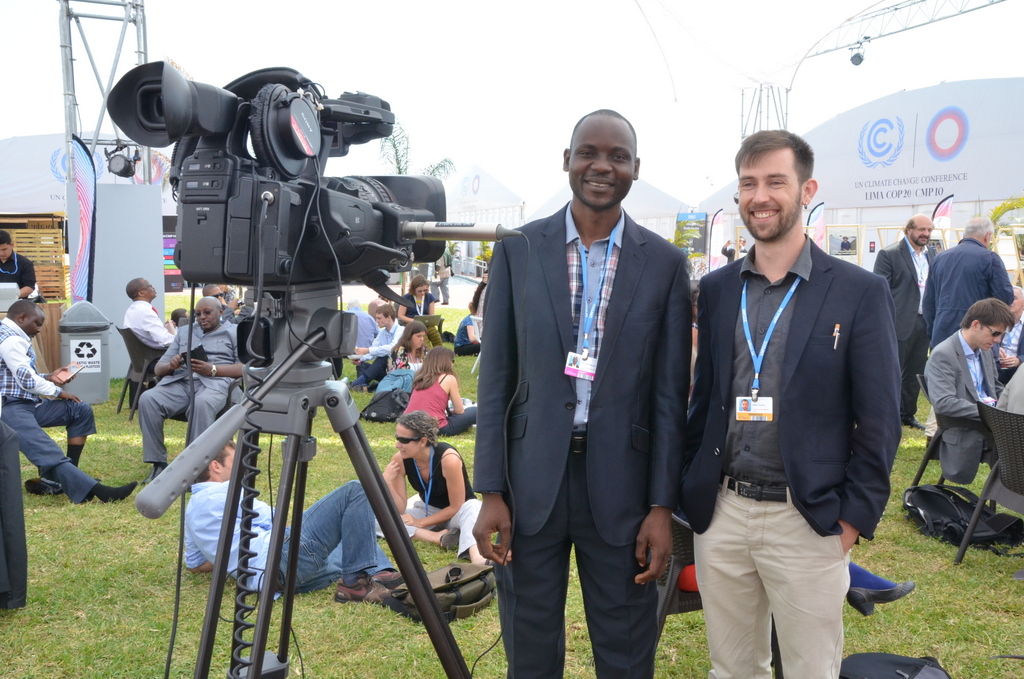
Joseph Zambo Mandea and Melaine Kermarc, both Woods Hole Research Center in Massachusetts, were among the climate change activists I met and interviewed at the COP20 - the UN climate summit in Lima, Peru. Photo by Justin Catanoso

Joseph Zambo Mandea of the Democratic Republic of Congo, and Melaine Kermarc of France, both with the Woods Hole Research Center in Massachusetts, were among the climate change activists I met and interviewed at the COP20 – the UN climate summit in Lima, Peru. Photo by Justin Catanoso

From the WFDD web post Dec. 17, 2014 (Audio link is here) — A global summit to address climate change wrapped up in Peru last week. After 36 hours of overtime negotiations, a draft of the Lima Accords was presented–a plan which will change how countries deal with carbon emissions. Wake Forest journalism professor Justin Catanoso is a regular WFDD contributor and attended the UN Climate talks.

Catanoso reported that there was momentum and optimism ahead of the summit. He says that still remains today, with the Lima Accords, which is the first deal committing every country in the world to reducing their fossil fuel emissions.

“This represents a significant breakthrough in a 20-year effort by the UN to come up with some international accord to reduce greenhouse gas emissions,” says Catanoso.

But he adds that the strength of the accords is also its weakness. Each nation will set its own reduction levels and they likely won’t be held accountable by any governing body to guide that decision.

“If we don’t have that mandated amount, then we may not be able to keep global warming under 3.6 degrees Fahrenheit in the next 50-75 years,” says Catanoso. “That’s the point in which scientists say if we get warmer than that, things really spin out of control. The planet becomes increasingly uninhabitable.”

Every country has six months to report their intended cuts to the UN which would begin in 2020. It’s in advance of a meeting in Paris next year, where they will possibly sign binding agreements to cement greenhouse gas reductions.

KERRY: The Climate Crisis Is Here, And Republicans Are Threatening Us All

Former Vice President Al Gore listening to Secretary of State John Kerry's blistering speech at the UN climate summit in Lima, Peru. Photo by Justin Catanoso

Former Vice President Al Gore listening to Secretary of State John Kerry’s blistering speech at the UN climate summit in Lima, Peru. Photo by Justin Catanoso

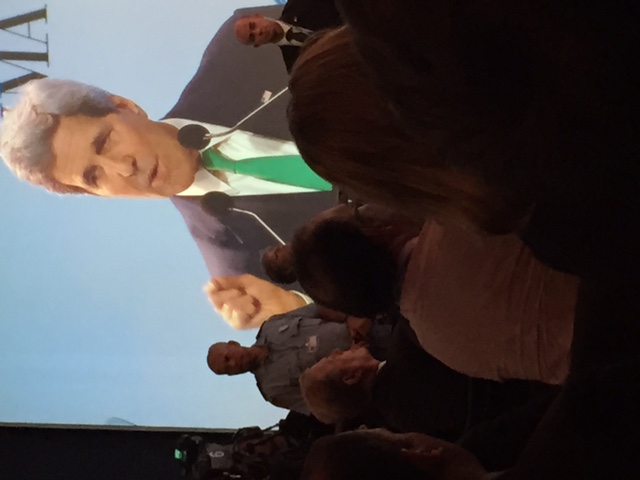
LIMA, Peru — In a clear message to the world that the United States, at least in the form of the Obama Administration, intends to lead prominently in the battle against climate change, Secretary of State John Kerry arrived in Lima on Thursday (Dec. 11) to deliver a blistering assault on GOP climate deniers in a 32-minute speech to a packed press conference.

I was just a few rows back and saw Al Gore‘s profile against the video screen with Kerry speaking. It made for a powerful image — two Americans who have been raising awareness about the dangers of greenhouse gas emissions for a generation. I snapped the photo with my iPhone.

AcostaBusinessInsider published my story about Kerry’s speech, which includes a one-on-one interview I had with the Peruvian co-chair of the Green Climate Fund. Naturally, the GOP leadership in Washington intends to block Obama’s $3 billion pledge to the fund. The story contains a short video clip of the vice chair shot and edited by Michael Frierson, a UNC-Greensboro film professor.

A powerful quote from Kerry not in the story:

“Ask yourself, if Al Gore and Dr. Pachauri and Jim Hansen and the people who’ve been putting the science out there for years are wrong about this and we make these choices to do the things I’m talking about, what’s the worst thing that can happen to us for making these choices? Create a whole lot of new jobs. Kick our economies into gear. Have healthier people, reduce the cost of healthcare. Live up to our environmental responsibilities. Have a world that’s more secure because we have energy that isn’t dependent on one part of the world or another. That’s the worst that can happen to us.

“But what happens if the climate skeptics are wrong? Catastrophe. And we have a responsibility to put in place the precautionary principle when you’re given certain evidence and you’re a public official.”

Climate alert! China’s coal consumption is dropping — barely

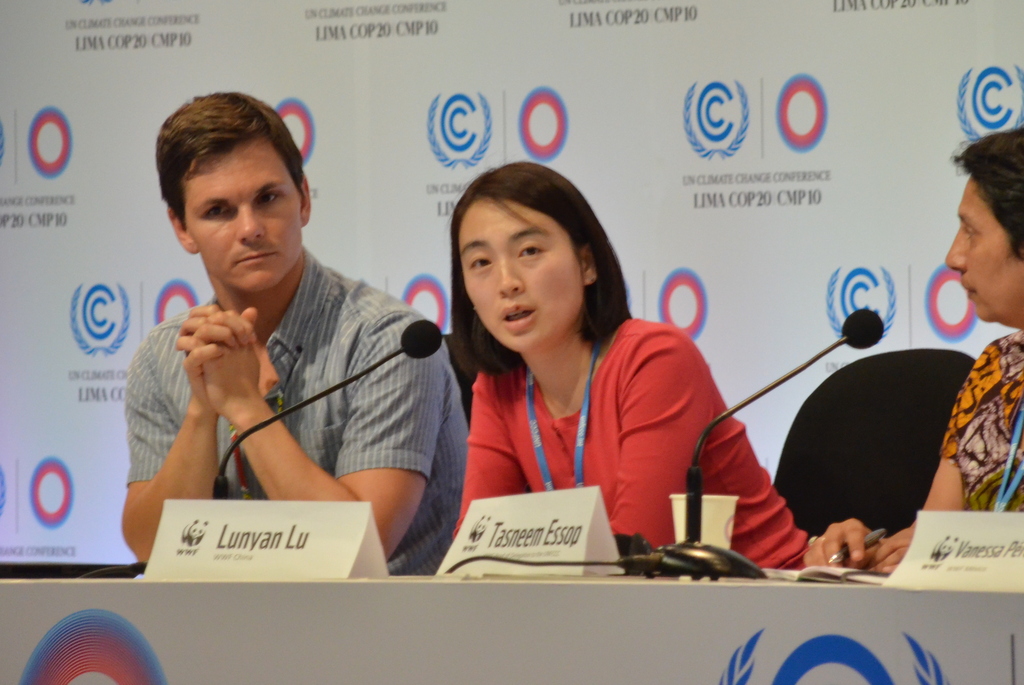
Lu Lunyun of the World Wildlife Fund in Beijing at the UN climate summit in Lima, Peru.

Lu Lunyun of the World Wildlife Fund in Beijing at the UN climate summit in Lima, Peru. Photo by Justin Catanoso

LIMA, Peru (Dec. 9, 2014) — Lunyan Lu has a tough job. As a Chinese national, she works in Beijing for the World Wildlife Fund as its climate and energy program director. There she does what he can to lobby for environmental safeguards and greater use of alternative energy sources.

Chinese has kept a low profile thus far in the United Nation’s climate negotiations that I’m covering this week in Lima, Peru. But it is the elephant in the room — the world’s largest emitter of greenhouse gases with a deep supply of coal to burn and dependence on it to maintain its torrid transition from a rural to urban society with a leading economy.

During a press conference today with WWF staffers from countries including South Africa and Mexico, Lu made a comment that caught my attention. While coal accounts for 67 percent of China’s energy production, the use of coal “has plateaued,” she said, and actually will decline by 1 percent this year.

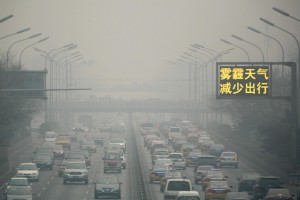
She did not offer this fact for applause. She doesn’t work for the Chinese government. She lives in Beijing and thus chokes on the smog-dense air like everyone else there. But she offered the insight as a way of illustrating that China is at least trying to reduce greenhouse gas emissions.

When I asked her during the press conference if it’s possible for China to accelerate its slightly declining rate of coal burning, and lower its peak emissions before 2030, as President Xi Jiping recently pledged, she said:
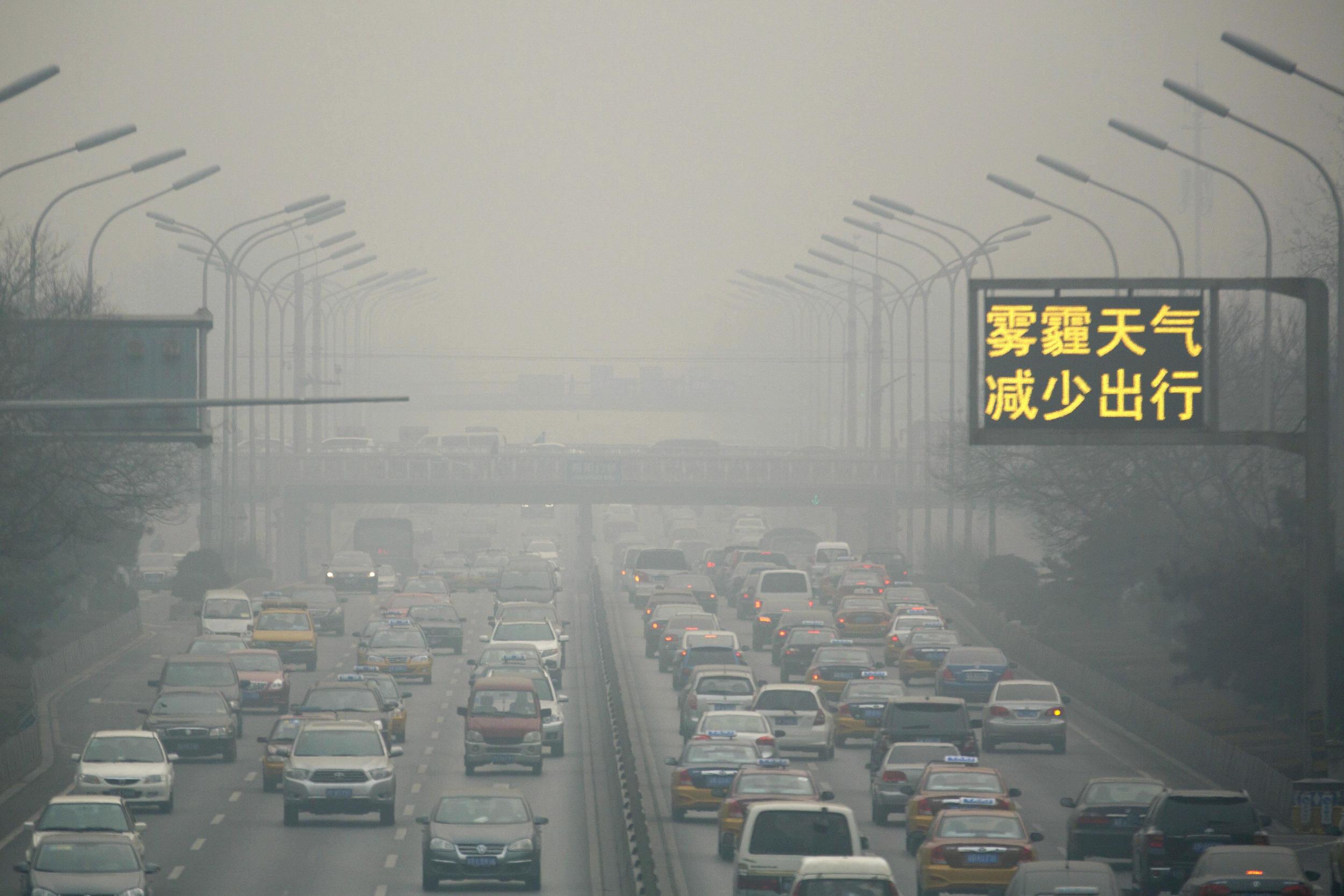
Smog in Beijing on an a

Smog in Beijing on an average day. NBC News

“We have already seen a plateau trend of the coal consumption for this year. That may be not forever. That could be temporary, just for this year. That’s why we (the WWF) encouraged the government to maintain this trend. We also see the government has taken some action, using imported natural gas to offset some of its coal consumption. And they have a clear plan for nuclear energy. We do see that clear plan for action. We will try our best to urge the government to peak sooner.”

I spoke with Lu after the press conference. She explained that China is in a bind. Its growth goals are relentless, and its most abundant natural resource for energy is coal. It can’t practically import enough natural gas to meet its needs and reduce carbon emissions. But it is moving fast on renewable energy sources, with more than $100 billion invested thus far in wind, solar and nuclear platforms.

Lu confided that just like most Americans, most Chinese pay little attention to  issues related to climate change — despite gravity of the earth’s condition. But unlike in America, the air in China’s cities is so black and polluted from energy and traffic smog that people there are outraged and demanding that its government act for better air quality.

“We see this as an opportunity,” Lu told me. “This public outcry is about smog, but it also helps to fight climate change.”

 

Much Maligned REDD+ Gets a Boost from Above for Climate Mitigation

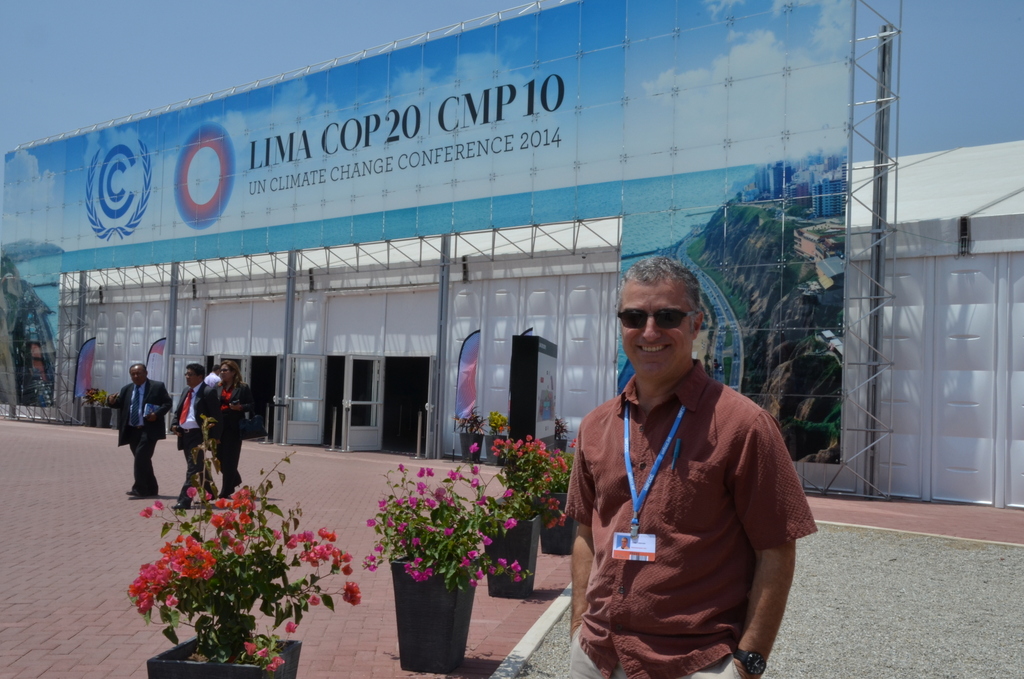
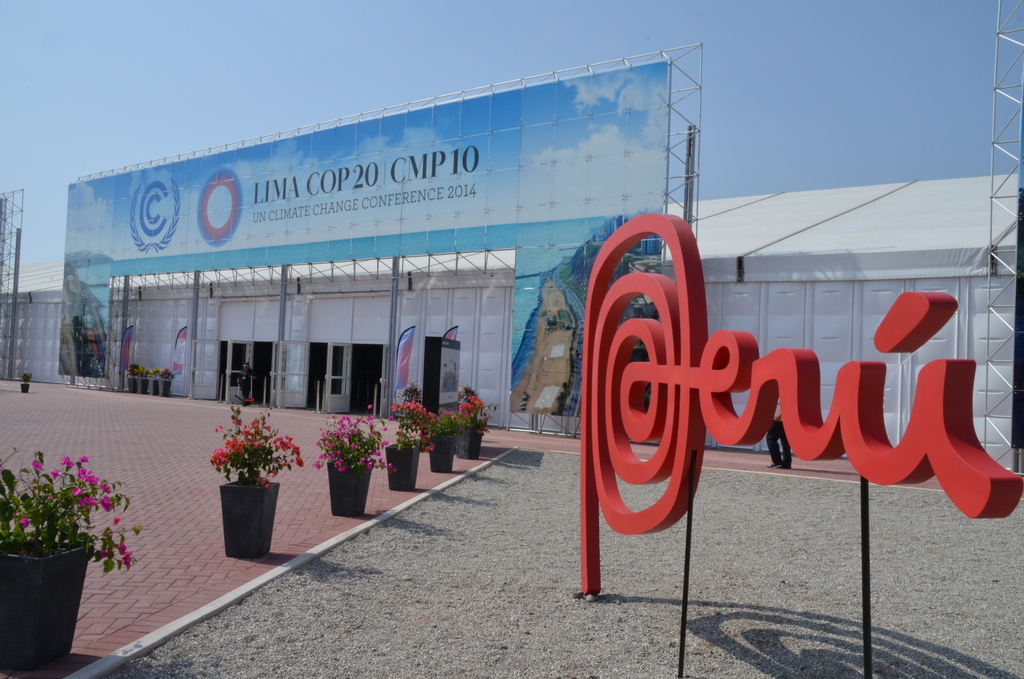
Entrance to the UN Climate Summit in Lima, Peru -- Dec. 1-12, 2

Entrance to the UN Climate Summit in Lima, Peru — Dec. 1-12, 2014. Photo by Justin Catanoso

As the United Nations climate negotiations in Lima, Peru, entered their second and final week, some progress – and thus some optimism — was claimed late Monday, Dec. 8. They were small steps. And because huge leaps seem impossible in grappling with this global crisis, even small steps take on growing importance. A big reason for the optimism is the incredible advances in scientific monitoring of carbon stocks and greenhouse gas emissions that simply didn’t exist a few years ago. It’s giving countries confidence to engage in this process. I explain why in this story on National Georgraphic online.

Unilever CEO: the new face of corporate climate change

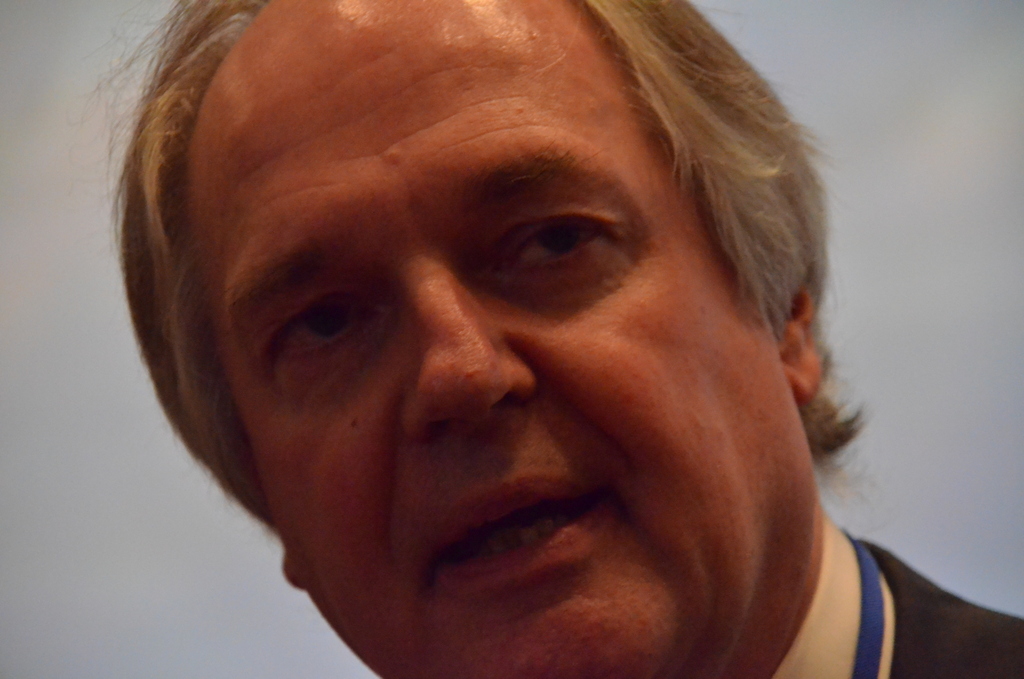
Paul Polman, CEO of UK and Netherlands-based Unilever. Photo by Justin Catanoso

Paul Polman, CEO of UK and Netherlands-based Unilever. Photo by Justin Catanoso

LIMA, Peru — It’s not every day when you here the leader of a Fortune 500 company speak so eloquently about the responsibility to be contribute first to a civil and sustainable society, and not slavishly serve Wall Street and shareholder demands for ever-increasing profits. But Paul Polman, CEO of Unilever, one of the world’s largest consumer goods companies, is that kind of leader. My story in BusinessInisder.com covers Polman stirring talk at a side event connected to the UN climate summit here in Peru.

Excerpt: “For those of us in the food sector, like my company, we know that climate change cannot be tackled without a fundamental change in the way that agriculture – the world’s oldest and largest industry – is practiced,” Polman told an audience of several hundred. “In fact, most CEOs, I’m convinced of now, know that their companies cannot prosper in a world with runaway climate change. This is increasingly evident. They understand the need to work together with political leaders to address these challenges.”

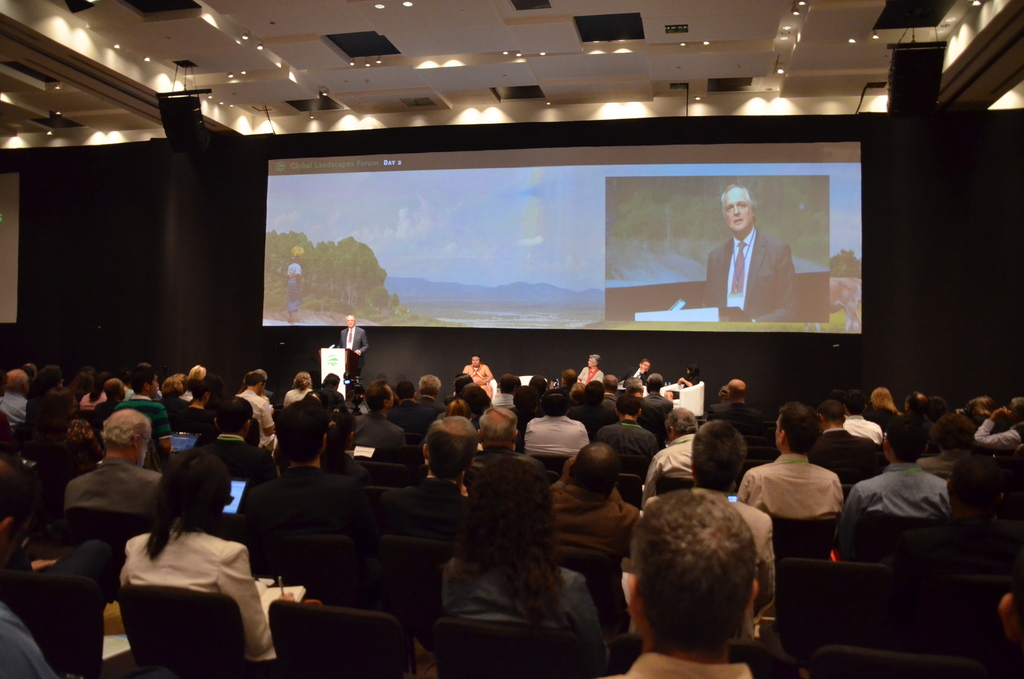
Venue for Paul Polman's talk at the Global Landscape Forum connected to the COP20 in Lima, Peru.

Venue for Paul Polman’s talk at the Global Landscape Forum connected to the COP20 in Lima, Peru.