Category Archives: Environment

Mongabay.com: Pope’s encyclical draws support from Peru’s #1 environmental official

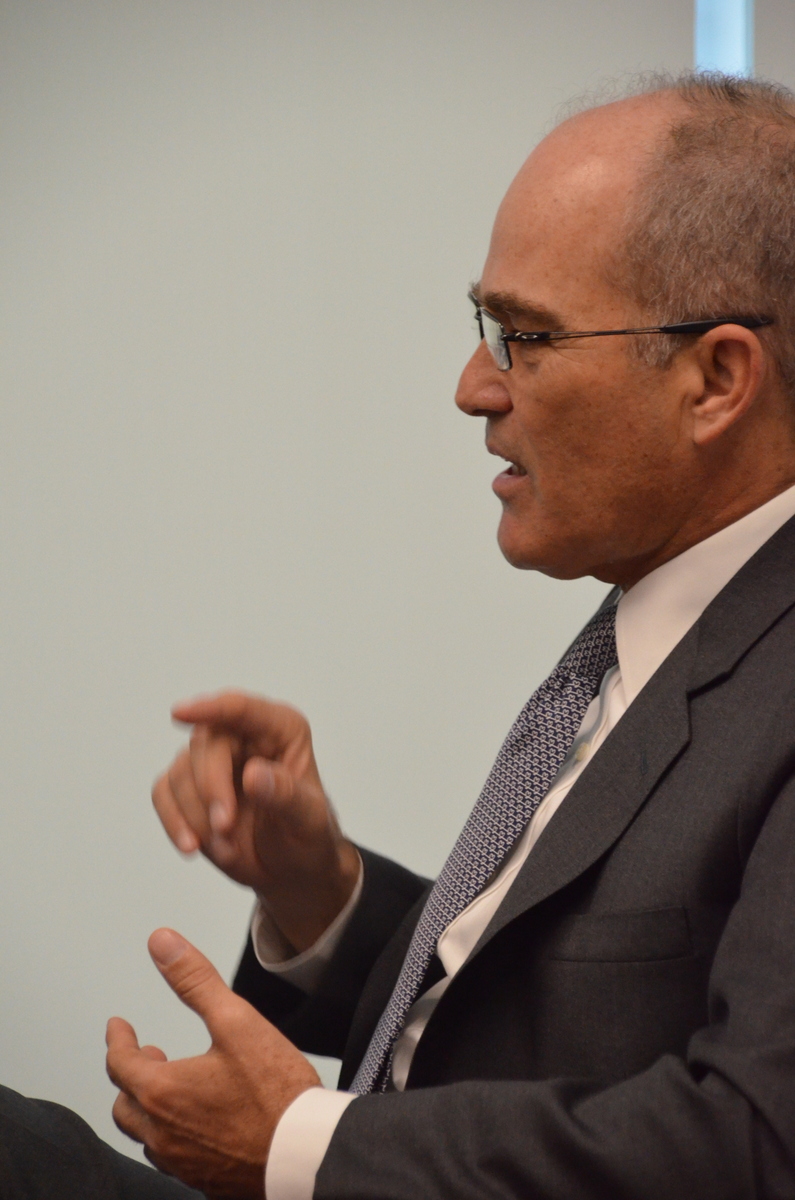
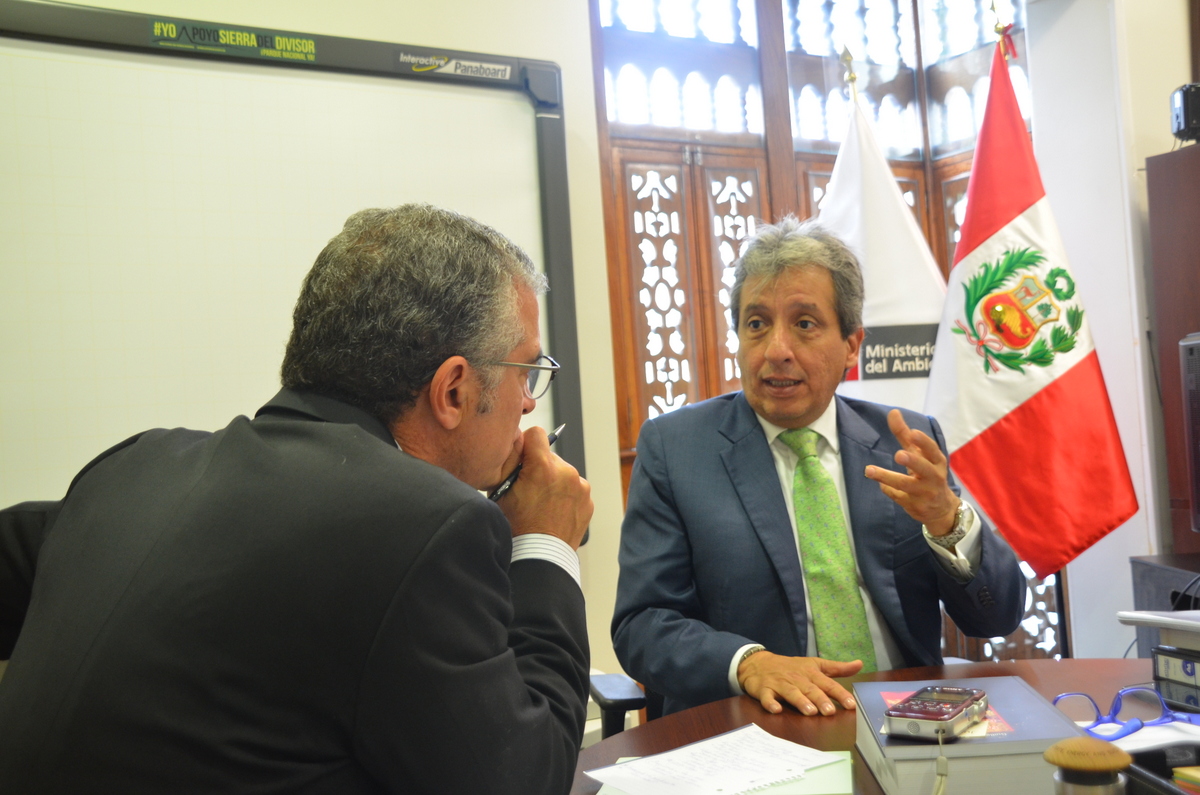
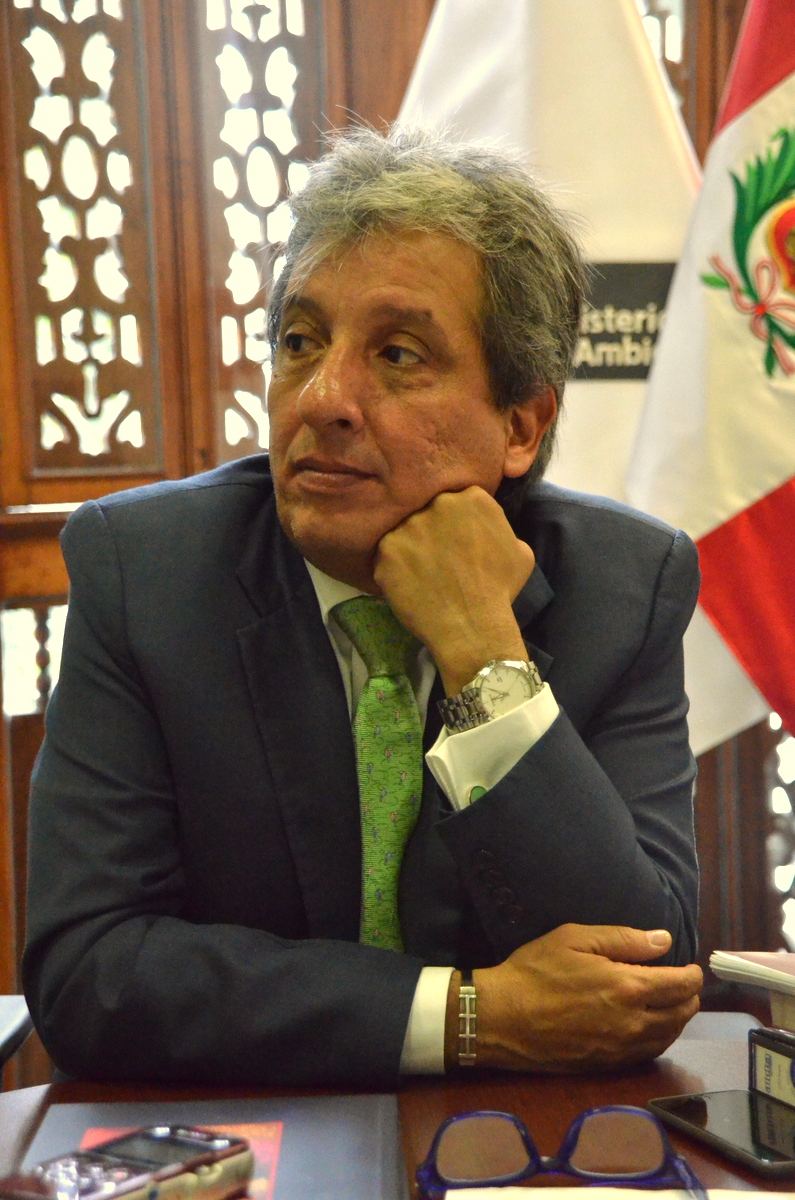
Manuel Pulgar-Vidal is Peru's minister of the environment, and among the most most influential climate change policy makers. Photo by Emilia Catanoso

Manuel Pulgar-Vidal is Peru’s minister of the environment, and among the most most influential climate change policy makers. Photo by Emilia Catanoso

I remember Manuel Pulgar-Vidal well from the UN Climate Summit in Lima in December 2014. He was seemingly everywhere, certainly at every press conference. He was friendly and accessible. I was offered to interview him the day COP20 opened, but declined; I could not get to Lima so soon.

In mid-July, 2015, through the high-level connections of Enrique Ortiz, my fixer and interpreter for two weeks in Puru, I got an hour with the minister. He had studied he encyclical and had a lot to say about it. He was less keen on discussing the Tia Maria copper mine in southern Peru. It was a great interview, linked here, and I’m glad mangabay.com chose to run this and two others.

Mongabay Edior Glenn Scherer’s summary: 

1, Peruvian Environmental Minister Manuel Pulgar-Vidal hosted COP20 in Lima, and will play a leading role at Paris COP 21 in December.
2. He praises the Pope’s controversial encyclical written in “the language of a poet, with the precision of an engineer, and by a leader with the moral authority to have influence.”
3. “We [will] have an agreement in Paris,” says the minister. Obama, China, France, Peru, many nations want it. “The political moment is key, and this papal document is very helpful.”
More photos by Emilia Catanoso from the interview and just before:
Hanging out with an Indian tribe outside his office. Photo by Emilia Catanoso
Hanging out with an Indian tribe outside his office. Photo by Emilia Catanoso

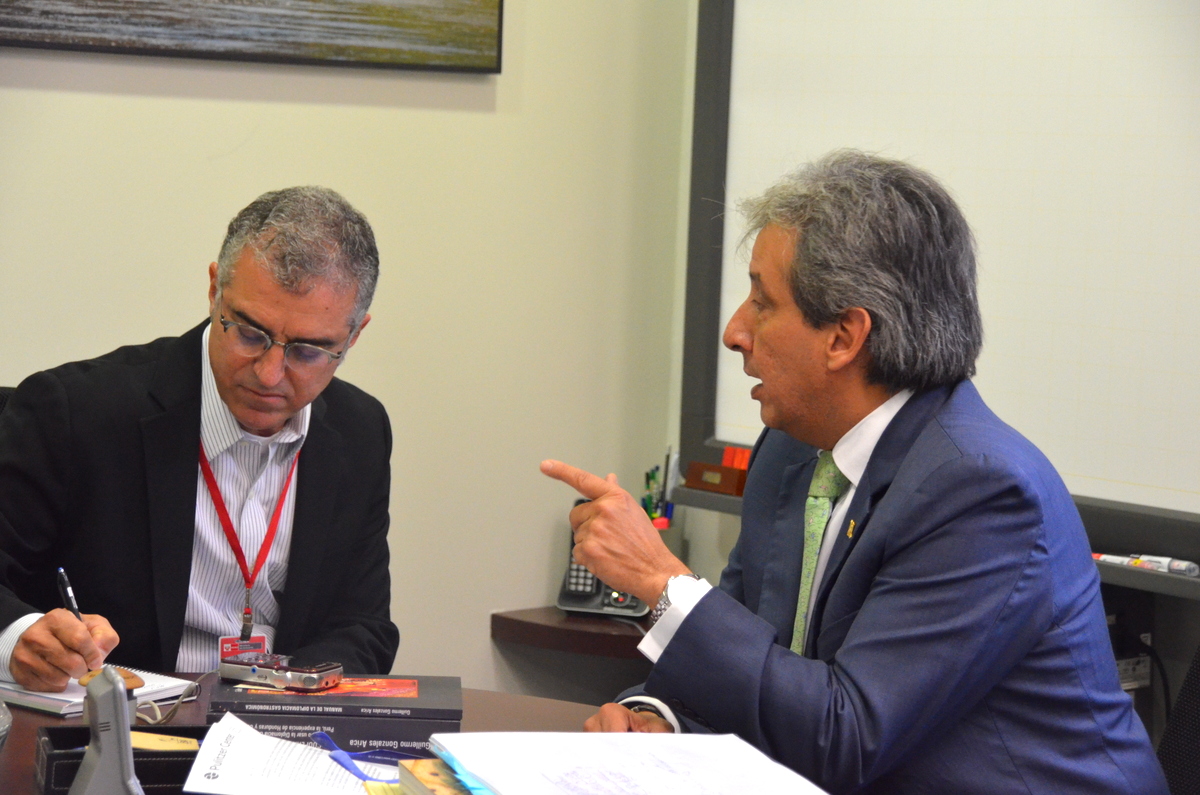
During the interview. Photo by Emilia Catanoso
During the interview. Photo by Emilia Catanoso

Not too happy in the direction change of the interview. Photo by Emilia Catanoso

Not too happy in the direction change of the interview. Photo by Emilia Catanoso
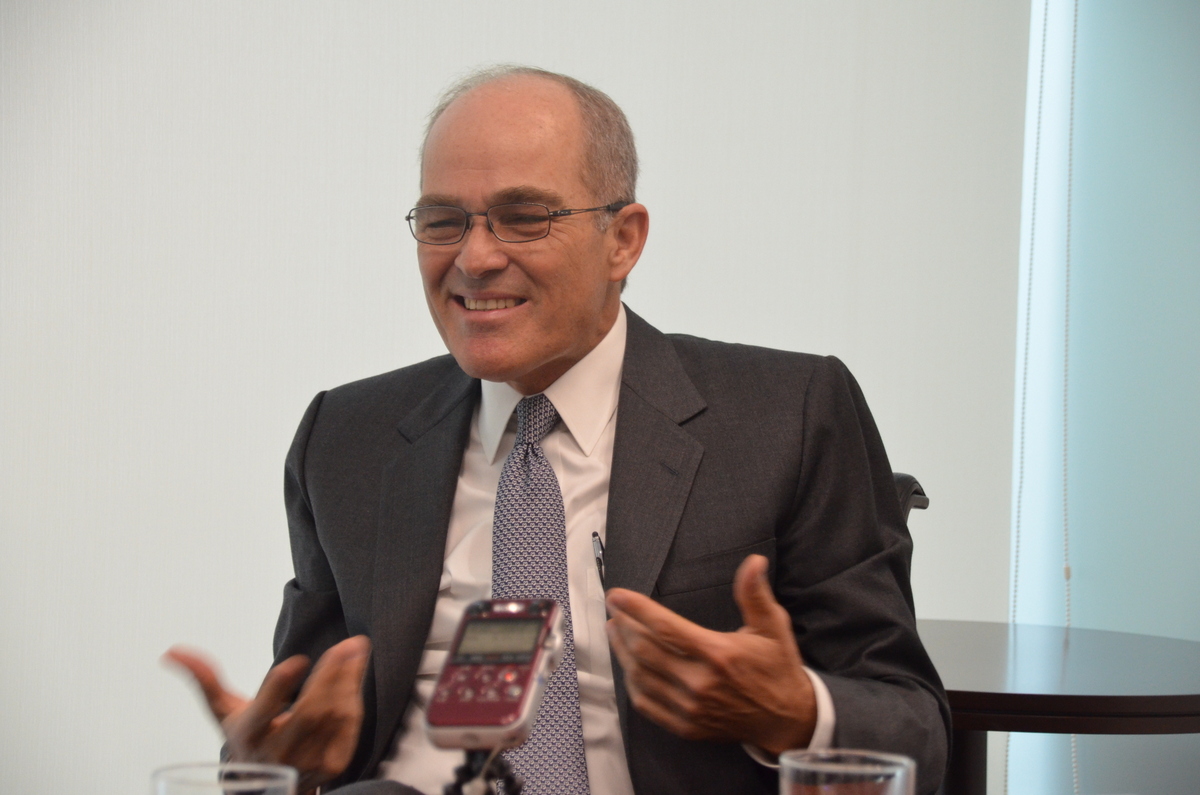
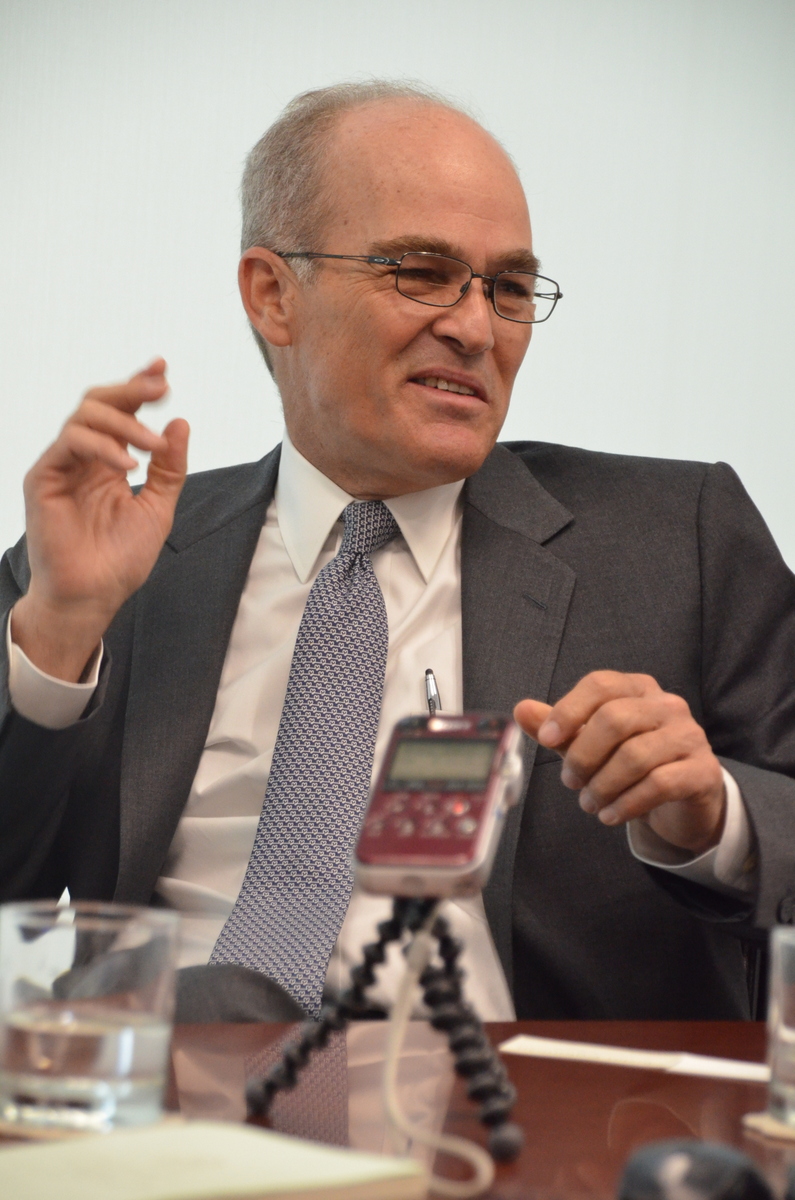
Mongabay.com: Pope and Peru’s top mining CEO agree and at odds on environment

Roque Benavides, CEO of BuenaVentura, Peru's largest precious metals mining company. Photo by Emilia Catanoso
Roque Benavides, CEO of BuenaVentura, Peru’s largest precious metals mining company. Photo by Emilia Catanoso
Through the good fortune of meeting TV producer Luis Moray in Lima, I was able to spend the last morning of my reporting during my first of two trips to Peru last summer interviewing one of the country’s most influential businessmen — Roque Benavides, CEO of BueanaVentura Mining. He read the encyclical before our interview so he would be prepared.  Mongabay.com, with expert editing by Glenn Scherer, published a series of three of my Q&A stories during the week of Pope Francis’ history visit to the United States in late September 2015.  My first Q&A is here.

Glenn Scherer wrote as an intro to my interview: 

  • Roque Benavides makes no apologies for Peru’s extraction industry, noting that it employs tens of thousands, and gives much back to the communities in which it works.
  • The CEO fears that the Pope’s encyclical is overly simplistic, putting too much of the blame for the environmental crisis on industry and business.
  • He argues forcefully that government has failed in its role as environmental protector, and that the poor are more destructive to the environment than industry.

Emilia Catanoso took a series of amazing photographs. Her best of the entire two-week experience.

15126

Sunday News & Observer: Pope gets pushback on environment

"The life of the plant is more important than anything the pope says." Photo by Jason Houstin

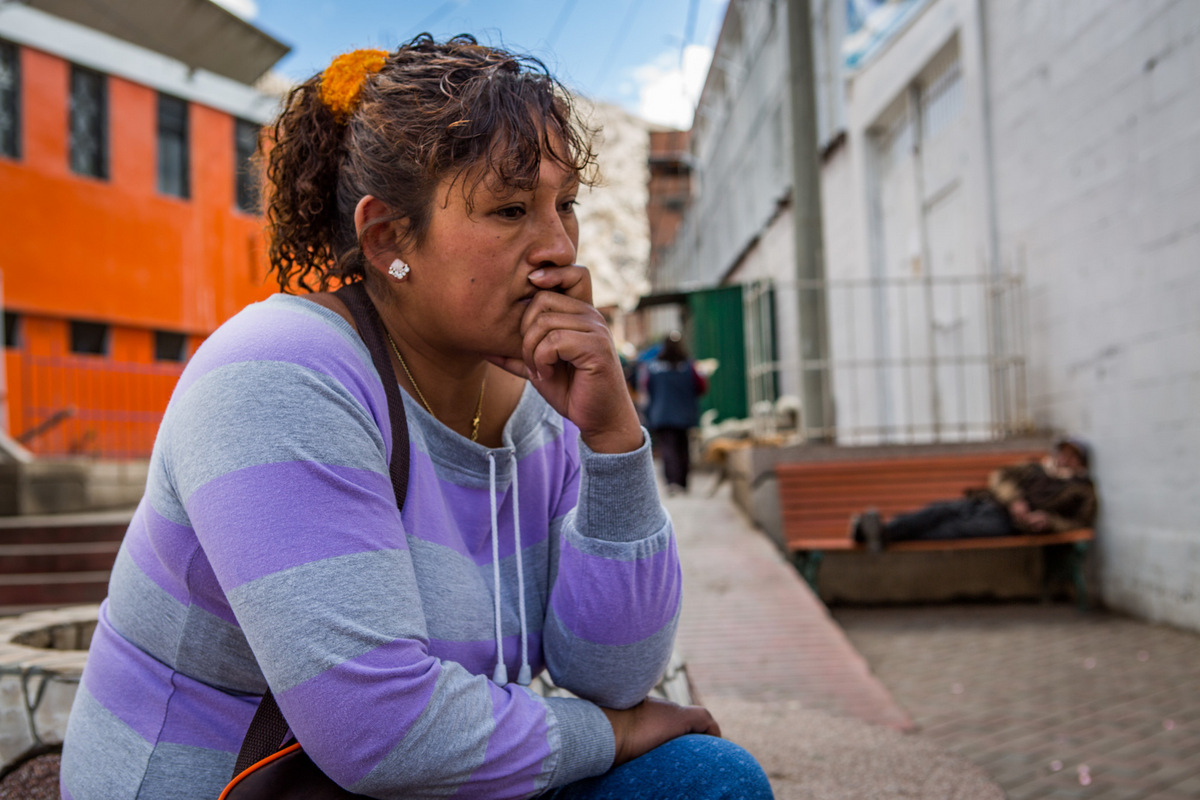
Emel Salazar in La Oroya, Peru: “The life of the plant is more important than anything the pope says.” Photo by Jason Houston

Every Pulitzer Center journalist must ensure that his or her work will be published or broadcast before a grant is considered. That’s the model. They pay expenses so that your work can fill the gaps of news organizations that want foreign reporting, but no longer have staff abroad. When my Pulitzer turn came around around again last spring, I called an editor I’ve long admired but never had the opportunity to work for: John Drescher of the New & Observer in Raleigh, N.C. After explaining my project, he readily agreed to take one of my stories. I was thrilled.

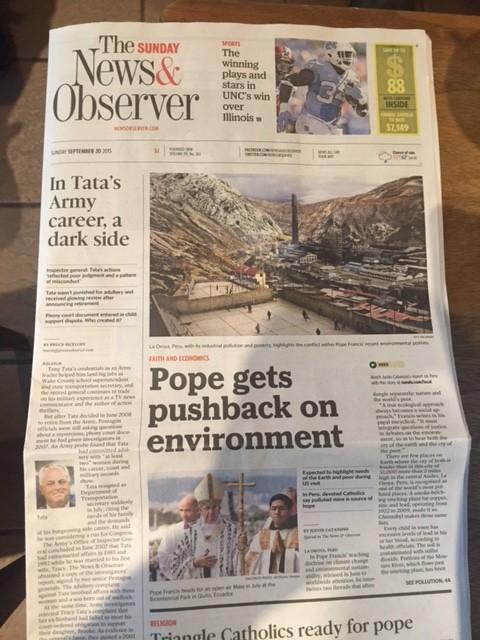
So on Sept. 20, 2015, I had my first page 1 story in a Sunday daily newspaper since I left the News & Record in Greensboro in May 1998. That’s a long time before Sunday fronts, but given that the N&O practically cleared page 1 for me and published all 1,900 words I wrote, plus several photos, it was worth the wait. It’s funny, but in buying papers in Chapel Hill, I felt the same thrill I did when I was a kid, seeing my first byline in print.

Front page, The Sunday News & Observer, Sept. 20, 2015. Photo by Justin Catanoso

Front page, The Sunday News & Observer, Sept. 20, 2015. Photo by Justin Catanoso

Mongabay.com: Peru’s Conundrum: a Pope’s environmental message divides his people

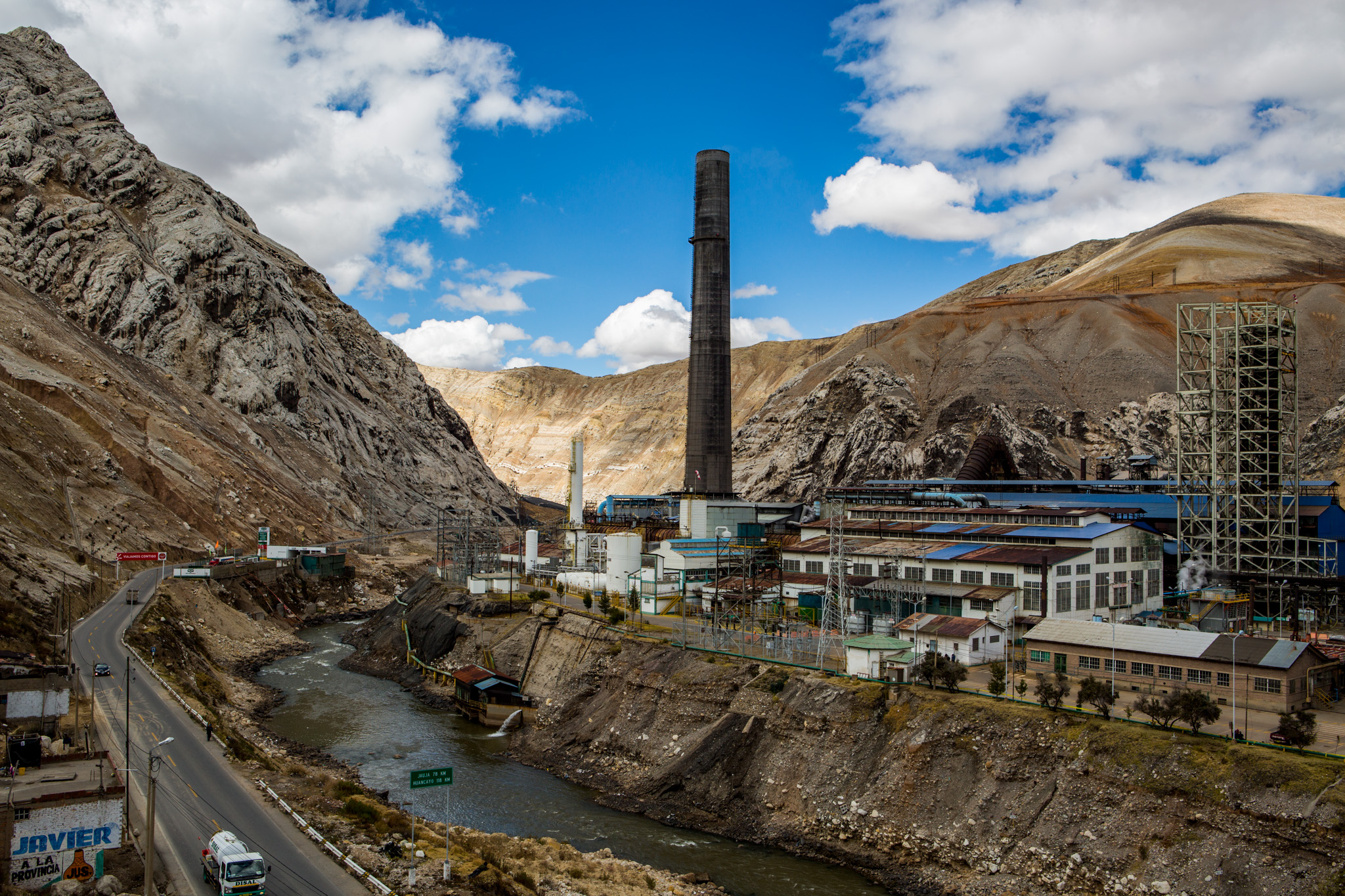
The smelting that virtually killed a city in the Andes, and poisoned its people. And the people want it open again, even as the pope speaks out against such environmental oppression. Photo by Jason Houstin

The smelting that virtually killed a city in the Andes, and poisoned its people. And the people want it open again, even as the pope speaks out against such environmental oppression. Photo by Jason Houstin

I had the great pleasure to work with mongabay.com editor Glenn Scherer on this important story, that is as comprehensive as it is sad and vexing. As Glenn wrote in the subhead: “Big business and labor in one of the world’s most Catholic nations wrestle with the economic implications of Pope Francis’ revolutionary encyclical on the environment.”

The link to the story is here.

Seven decades of acid rain has changed the chemical composition of the surrounding mountains. La Oroya is considered on of the most polluted cities on earth.

Seven decades of acid rain has changed the chemical composition of the surrounding mountains. La Oroya is considered on of the most polluted cities on earth. Photo by Jason Houston

Global Pulse Magazine: Pope Francis’ Encylical and Three Priests of Peru

This Peruvian priest in Cocachacra, home to the most contentious environment battle in Peru, is determined to remain neutral -- unless instructed otherwise. Photo by Justin Catanoso

This Peruvian priest in Cocachacra, home to the most contentious environment battle in Peru, is determined to remain neutral — unless instructed otherwise. Photo by Justin Catanoso

I met Robert Mickens in Rome in May through my good friend, Rome-based freelance journalist Eric J. Lyman. Mickens happens to be a leading expert on the Vatican and the guy who explained how I could get credentials to cover the release of the papal encyclical.

He was also interested in my reporting from Peru, and published my second story that focuses on three Peruvian priests in three parts of the country with three different perspectives on the environmental document. Mickens is the editor of GlobalPulseMagazine.com, which covers the Vatican and all things Catholic. The link to the story is here.

Pulitzer Center: Meet the Journalist, a video

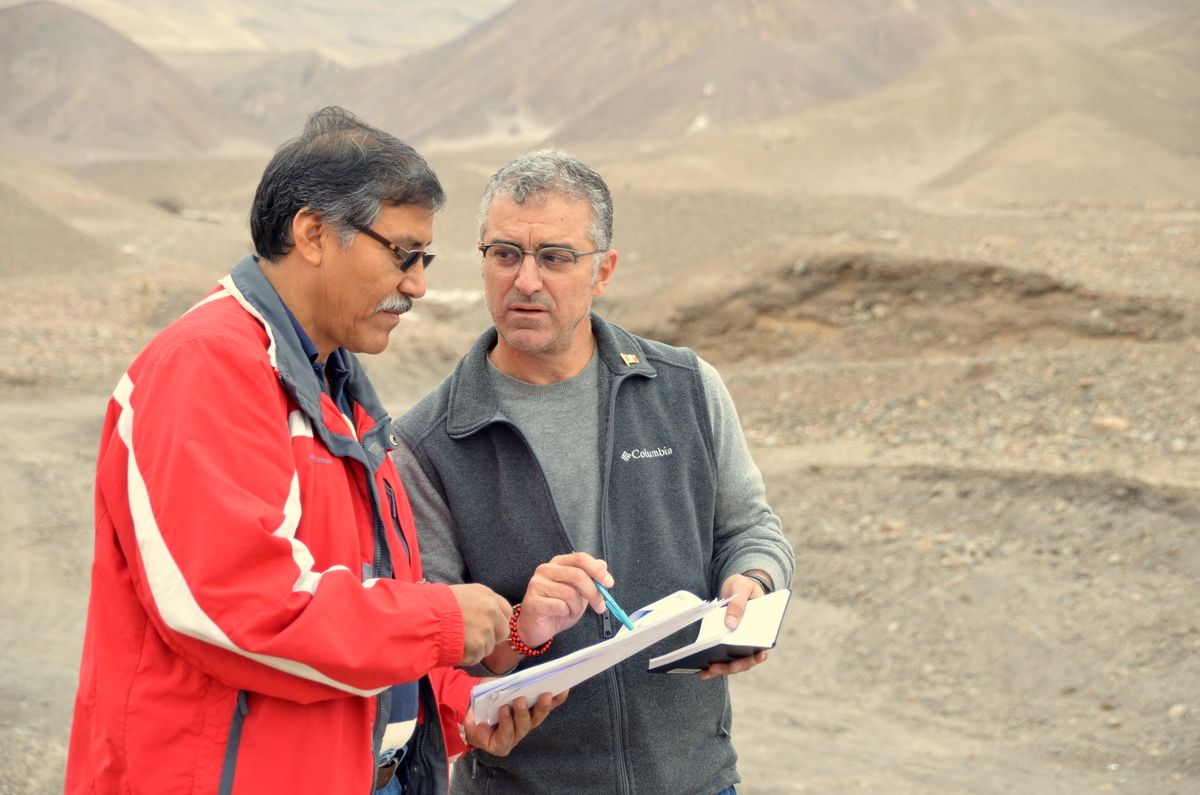
The mayor of Cocachacra take me to the controversial mine copper mine site that he and 3,000 farmers have been battling to a stalemate since 2009. Photo by Enrique Ortiz

The mayor of Cocachacra take me to the controversial mine copper mine site that he and 3,000 farmers have been battling to a stalemate since 2009. Photo by Enrique Ortiz

The name of my project for the Pulitzer Center on Crisis Reporting is:

Saving Eden: Francis Exerts His Moral Authority.  “Latin America’s first pope derides our “throw-away” culture while offering a stern prescription for environmental protection. Will those who revere him in his native region follow his lead?”

I explain the background and premise of my project in this video, which was shot on location in Peru and edited by Michael Frierson, professor of film at UNC-Greensboro, It turned out really well, with assistance from Enrique Ortiz and Emilia Catanoso.

Mongabay.com: Pope’s environmental encyclical arrives in Peru to mixed reviews

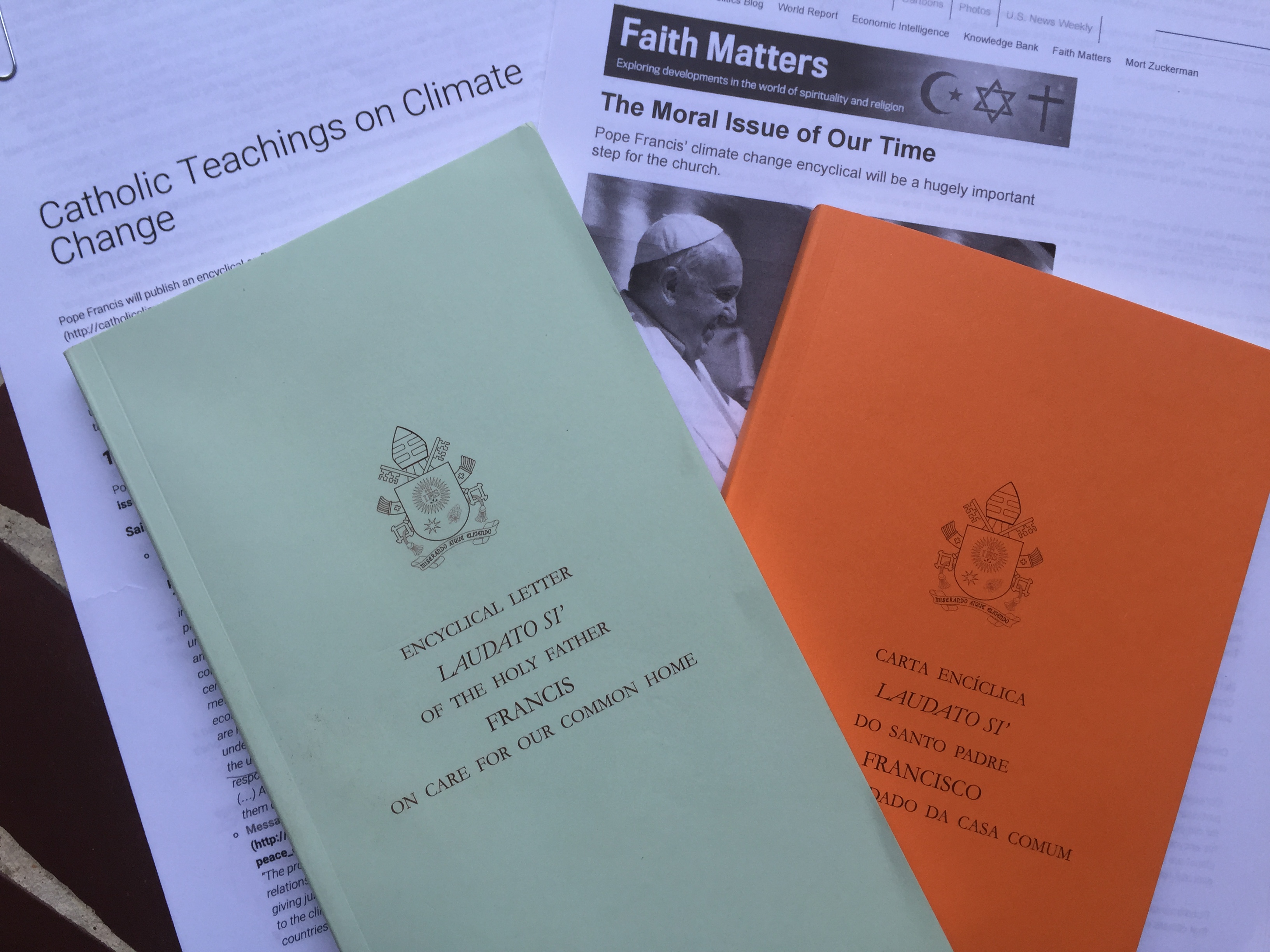
Pope Francis' encyclical on climate change and environmental protection. Released at the Vatican in June 2015

Pope Francis’ encyclical on climate change and environmental protection. Released at the Vatican in June 2015. Photo by Justin Catanoso

In early May, Jon Sawyer, founder and executive director of the Pulitzer Center on Crisis Reporting, asked me to take on a special assignment. He believed it was tailor-made for me. The topic: Pope Francis’ upcoming already-controversial encyclical, or Catholic, teaching document on climate change and environment protection. The premise: how is the document being received in Latin American, the popular pope’s home region. I was honored to accept the assignment.

After being able to cover the Vatican press conference on June 18 while in Rome with my Wake Forest travel writing students, I traveled to Peru twice during the summer — a total of three weeks — to report the story. I was joined by incredible professionals such as guide and consultant Enrique Ortiz, fixer Aldo Villanueava, photographer Jason Houston, and for two weeks, my daughter Emilia Catanoso, who was my first photographer.

I was proud that my first stories were published on one of the nation’s most respected environmental web sites, mongabay.com. Here’s a link to the first story.

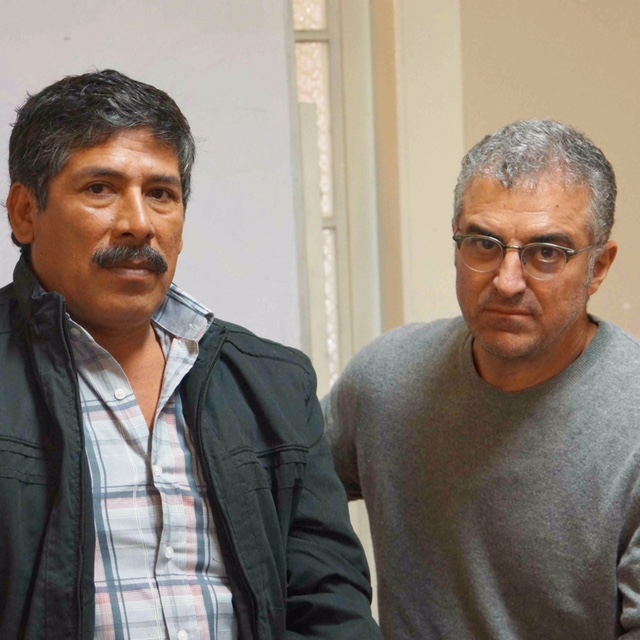
Jesus Cornejo, one of the most courageous men I've ever met. He is featured in the story. Photo by Enrique Ortiz

Jesus Cornejo, one of the most courageous men I’ve ever met. He is featured in the story. Photo by Enrique Ortiz


Perils of plastic: How a remote Caribbean island is marred by discarded water bottles

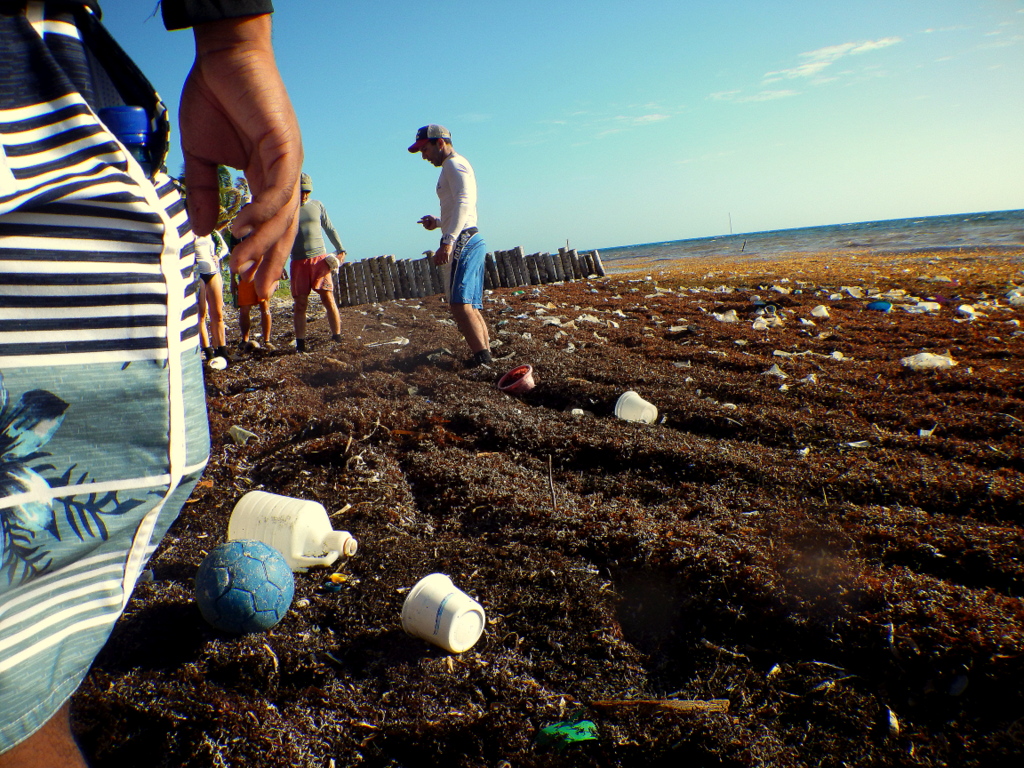
Wake Forest ecology student learn first hand the perils of plastic on Long Caye. Photo by Justin Catanoso

Wake Forest ecology student learn first hand the perils of plastic on Long Caye. Photo by Justin Catanoso

During the week of March 7, 2015 — Spring Break — my wife and I traveled with a group of Wake Forest University students and faculty in a coral ecology class. Arriving in Belize City late morning, we all boarded a boat called the Great White and piloted 47 miles into the Caribbean to Lighthouse Reef Atoll, a remote and mostly untouched set of six islands on the world’s second-largest coral reef. We set up home for the week on Long Caye (2.5 miles long; 0.9 milewide) and the Itza Lodge, a fabulous, rustic eco-lodge used mostly by university groups and some intrepid tourists.

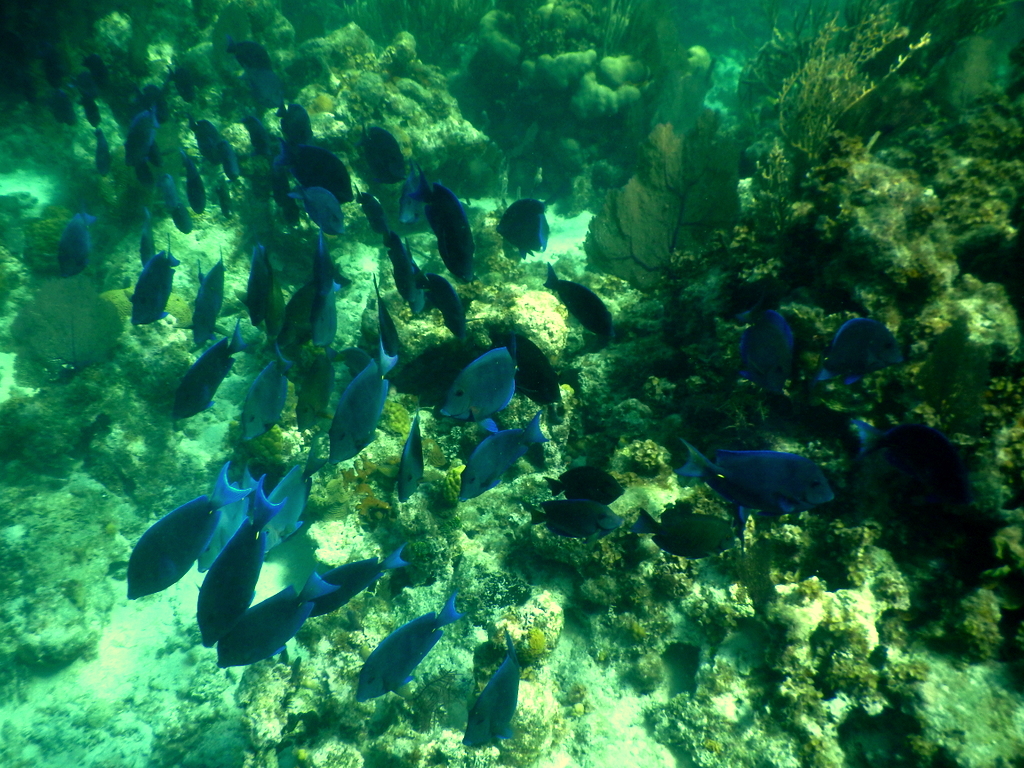
The beauty of the coral reef on Lighthouse Reef Atoll is unsurpassed.

The beauty of the coral reef on Lighthouse Reef Atoll is unsurpassed. Photo by Justin Catanoso

My goal journalistically was to return with a story tied to the underwater marvels we saw while snorkeling daily in the clear turquoise water in the Atoll — including the famous Great Blue Hole. Instead, I came back with a heartbreaking story about our voluminous, reckless use-and-disposal of all manners of plastics, and how it is marring a place as beautiful, pristine and remote as Long Caye.

Aside from public radio report WFDD, my commentary appeared first in Triad Business Journal and soon after on National Geographic online and BusinessInsider.

Crystal clear intentions for the Yadkin River

TRIAD NEXT: My January 2015 column in the Triad Business Journal is a Q&A with Will Scott, the new Yadkin Riverkeeper. The 7,000-square-mile river basis, which provides drinking water for some 700,000 residents, is in good hands. The story is at this link.

COP20 post mortem: Achievements and obstacles from the UN climate summit in Lima, Peru

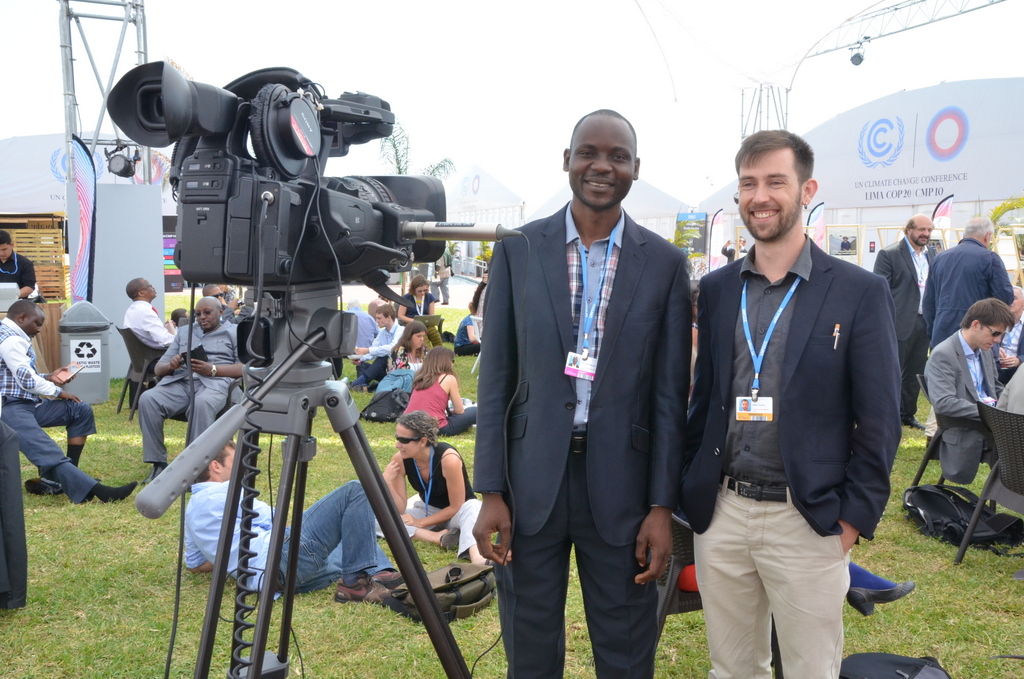
Joseph Zambo Mandea and Melaine Kermarc, both Woods Hole Research Center in Massachusetts, were among the climate change activists I met and interviewed at the COP20 - the UN climate summit in Lima, Peru. Photo by Justin Catanoso

Joseph Zambo Mandea of the Democratic Republic of Congo, and Melaine Kermarc of France, both with the Woods Hole Research Center in Massachusetts, were among the climate change activists I met and interviewed at the COP20 – the UN climate summit in Lima, Peru. Photo by Justin Catanoso

From the WFDD web post Dec. 17, 2014 (Audio link is here) — A global summit to address climate change wrapped up in Peru last week. After 36 hours of overtime negotiations, a draft of the Lima Accords was presented–a plan which will change how countries deal with carbon emissions. Wake Forest journalism professor Justin Catanoso is a regular WFDD contributor and attended the UN Climate talks.

Catanoso reported that there was momentum and optimism ahead of the summit. He says that still remains today, with the Lima Accords, which is the first deal committing every country in the world to reducing their fossil fuel emissions.

“This represents a significant breakthrough in a 20-year effort by the UN to come up with some international accord to reduce greenhouse gas emissions,” says Catanoso.

But he adds that the strength of the accords is also its weakness. Each nation will set its own reduction levels and they likely won’t be held accountable by any governing body to guide that decision.

“If we don’t have that mandated amount, then we may not be able to keep global warming under 3.6 degrees Fahrenheit in the next 50-75 years,” says Catanoso. “That’s the point in which scientists say if we get warmer than that, things really spin out of control. The planet becomes increasingly uninhabitable.”

Every country has six months to report their intended cuts to the UN which would begin in 2020. It’s in advance of a meeting in Paris next year, where they will possibly sign binding agreements to cement greenhouse gas reductions.